Clothes moth larvae cause the damage to wool sweaters, not the adult moths seen flying around the house. Adults do not eat wool, so a sweater can be infested for weeks without visible flying moths. The larvae feed on the wool itself, and the damage they leave is the holes and thinning that owners notice. Knowing this helps you focus on the larval stage, which is the one that matters when you store wool garments.
Why do moths damage wool sweaters?
Sweaters that carry food or perspiration stains are more vulnerable to attack than clean garments, according to the University of California Statewide Integrated Pest Management Program (2013). Wool sweaters with food or perspiration stains are more vulnerable to damage, so clean them before storage.
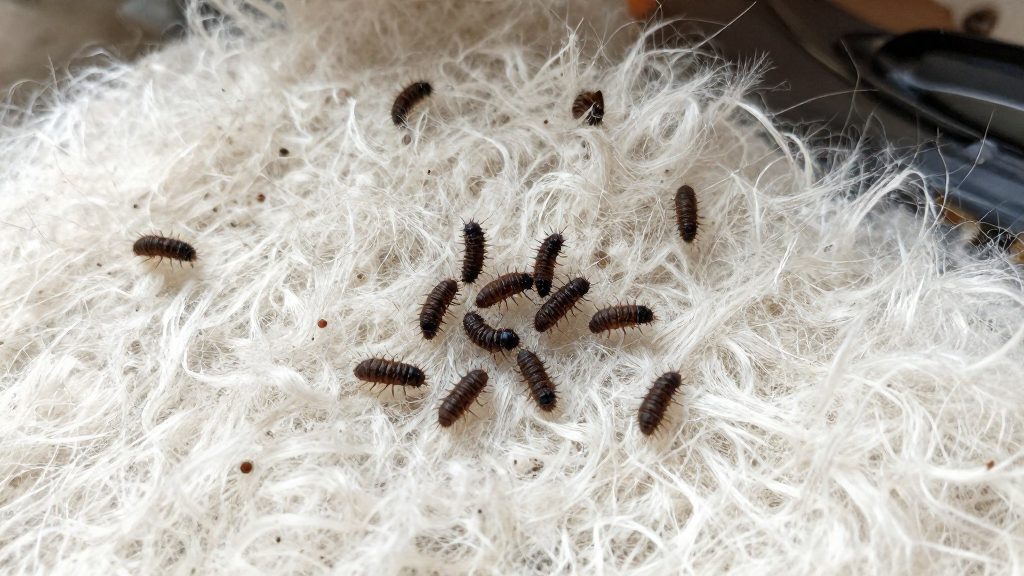
Clean and inspect sweaters before storage
Each sweater should be clean and pest-free before it goes into any container. Cleaning removes food and perspiration residue. To kill clothes moth eggs and larvae, UC IPM recommends laundering for 20–30 minutes in water at least 120°F, where the care label permits, or dry cleaning wool that cannot tolerate this treatment.
Choose the cleaning method by fabric
Check the care label before choosing a method.
- Hot-water washing: Use it only where the label allows hot water. Wool that cannot tolerate it should not be washed that way.
- Dry cleaning: Use it for wool that cannot tolerate hot-water laundering. The University of California Statewide Integrated Pest Management Program (2013) identifies dry cleaning as an appropriate treatment for these items.
Inspect seams and concealed areas
Once a sweater is clean and dry, examine the areas where larvae tend to hide. According to the National Pesticide Information Center, Oregon State University (2026), check:
- Seams
- Cuffs and collars
- Concealed areas and crevices
Look for larvae, silken cases, and damage such as small holes or thinned fibres. Inspect under good light and turn the sweater inside out to see the seams and the inside of the cuffs.
Choose airtight bags or storage containers
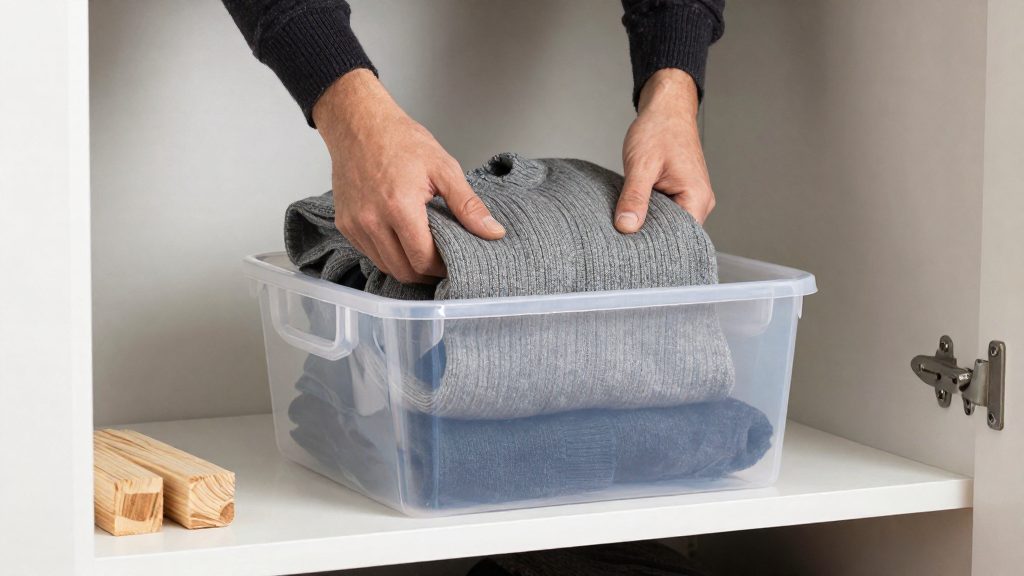
Wool sweaters should go into airtight containers, according to the University of California Statewide Integrated Pest Management Program (2013). For the container itself, tight construction matters more than the material. UC IPM emphasizes tight construction over wood type. Choose a bag or container designed to be airtight; the checks below can reveal obvious damage or gaps but do not establish airtightness. If using mothballs, follow the product label’s container requirements.
Check the closure before use
Test each container or bag before putting sweaters inside:
- Lid seal: press the lid down around the whole rim. It should close flush, with no visible gap at any point.
- Hinges and latches: open and close the lid several times. Each latch should engage fully on every side, and the hinge should not lift the lid away from the rim.
- Gaps and cracks: hold the container against a lamp in a dark room. Any light showing through a wall, corner or base seam means the container is not sealed.
- Zipped bags: run a finger along the full length of the zipper to confirm it closes completely, with no section that stays open.
Fix or replace any container that fails a check. A lid that closes only at one corner does not meet the airtight requirement.
Sealed plastic containers versus zipped bags
Sealed plastic containers have a rigid rim that can be inspected for flush contact, so their closure is easier to verify. Zipped bags depend on a single zipper running the full length, so a small separated section can leave an opening. Use a zipped bag only when the full zipper can be checked. Where you cannot confirm the closure, use a rigid container.
Clean the closet before packing sweaters
Dust, cobwebs and pet hair give clothes moths and their debris a place to settle, so clear them out before any wool goes back in. According to the National Pesticide Information Center, Oregon State University (2026), storage areas must be kept free of dust, cobwebs and pet hair.
Empty the space first. Remove every item from the shelf, drawer or chest. If moths have been seen, take out all contents and keep them separate from the cleaned area until the space is finished.
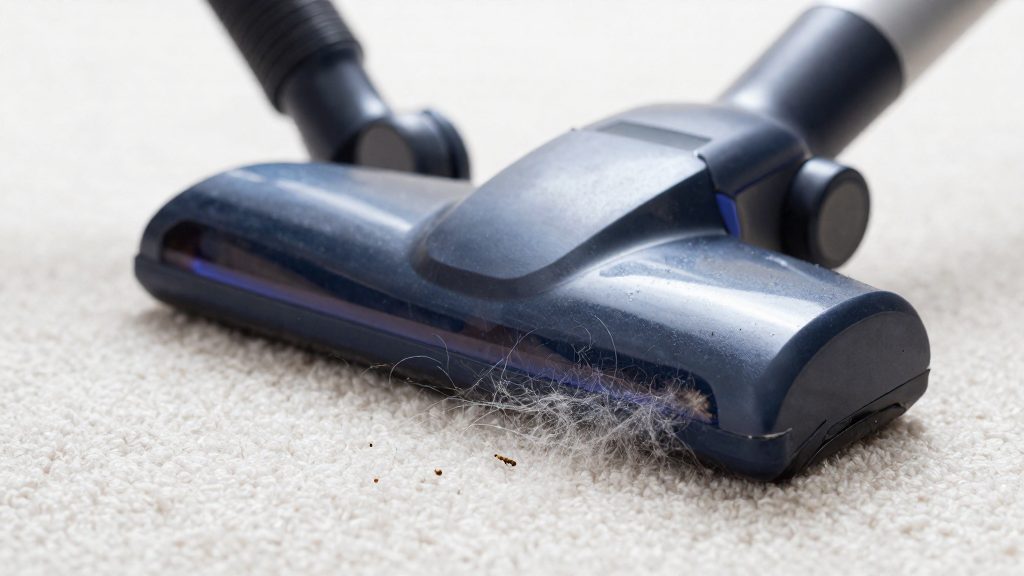
Vacuum cracks, crevices and shelf edges. Use a vacuum with a crevice tool to work along the joints where shelves meet walls, the corners of drawers and the gaps around chest lids. These spots collect the fibres and debris that moths feed on.
Wash the surfaces. Wipe shelves, drawer bases and other interior surfaces with soapy water, then let them dry fully before storing anything. The NPIC source specifically names soapy water for this step.
Do cedar and lavender prevent moth damage?
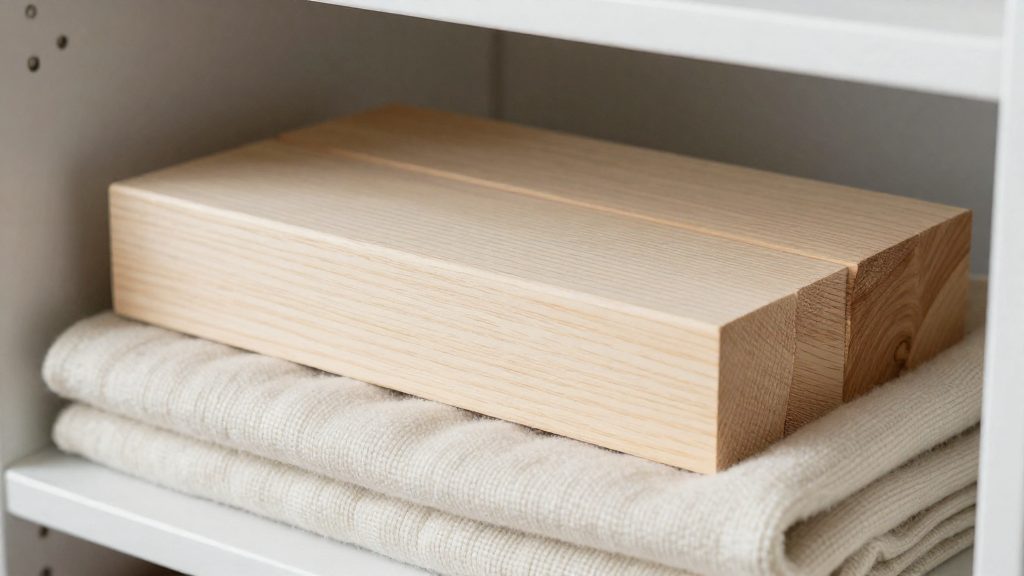
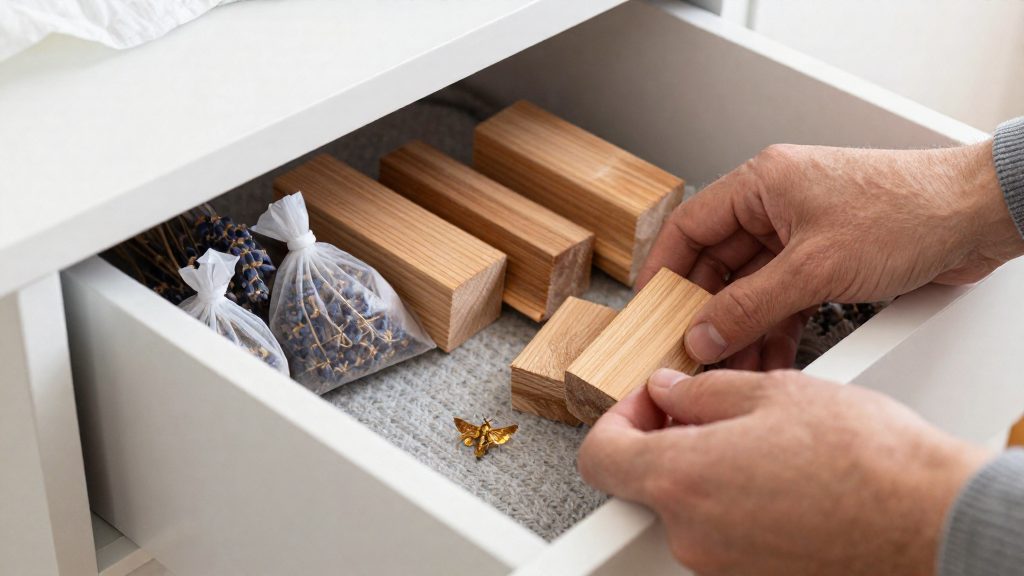
Neither cedar nor lavender reliably protects wool sweaters from clothes moths. Cedar oil can kill small larvae, but its effect declines over time and it does not affect large larvae. Reliable protection from lavender sachets or herbal oils is not established, so neither should replace cleaning and airtight storage.
| Measure | Documented effect | Limitation |
|---|---|---|
| Cedar oil | Can kill small larvae | No effect on large larvae; activity declines over time |
| Lavender sachets or herbal oils | Reliable protection not established | Little is known about herbal-oil effectiveness |
According to the University of California Statewide Integrated Pest Management Program (2013), cedar is unreliable as sole protection. Because the larvae are the stage that damages wool, a cedar scent cannot replace the preparation steps. Lavender can be used as a scent, but it should not be relied on to deter moths.
Protection depends first on the sweater’s condition and the container.
Use moth traps to monitor activity
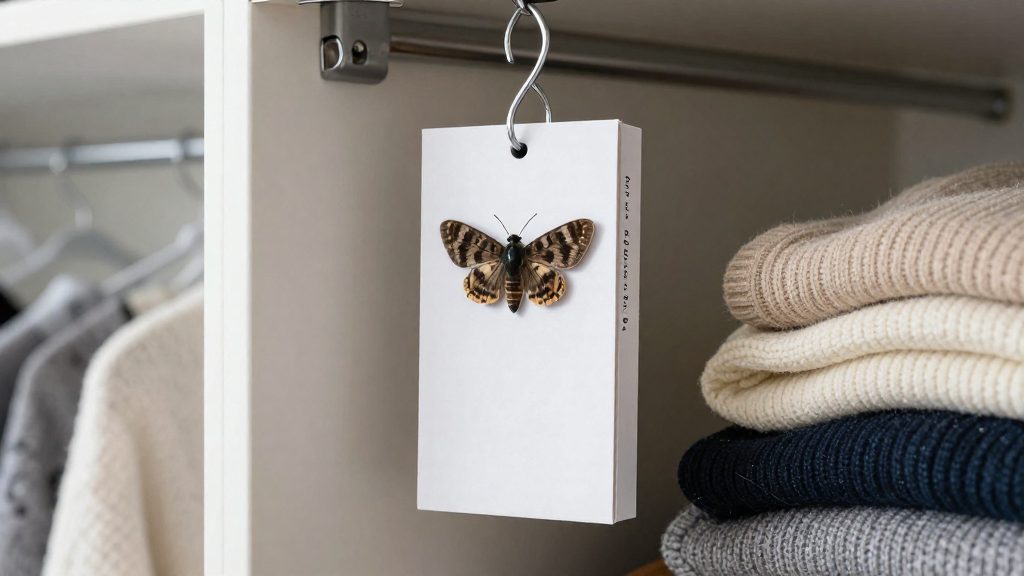
Pheromone traps detect clothes moth activity and provide some control by capturing males, but they must be combined with cleaning or other protective measures. According to the University of California Statewide Integrated Pest Management Program (2013), clothes moth pheromone traps attract male moths, so a catch shows that adult moths are present in the storage area.
Choose the trap designed for the species you are monitoring:
| Trap type | Attracts clothes moths? | Use for wool storage? |
|---|---|---|
| Clothes moth pheromone trap | Yes, males | Yes, detects activity |
| Pantry moth trap | No | No |
A pantry moth trap placed in a wardrobe will not reveal whether wool is being attacked, so an empty result from it tells you nothing about clothes moths.
Traps detect activity but do not replace cleaning. A trap catches adult males and does not remove larvae already feeding in stored sweaters. The University of California Statewide Integrated Pest Management Program (2013) states that trapping should be combined with cleaning or other protective measures.
Handle mothballs safely and follow labels
Mothballs are pesticides, and the National Pesticide Information Center (Oregon State University, 2025) notes that they release pesticide gases. Use them only as the label directs, and only inside airtight containers. Open placement lets people breathe the vapors, and smelling a mothball means inhaling the pesticide.
Label compliance comes first. Follow the dosage and placement instructions printed on the product label, and do not add extra pieces to “strengthen” protection. Place mothballs only where the label specifies, typically inside a sealed container holding the wool sweaters.
Keeping mothballs away from children and pets is essential. Store the box out of reach, in a locked cabinet or high shelf, and never leave loose pieces on closet floors, shelves or in drawers where a child or pet can reach them.
Ventilation matters during handling. Open a window before removing the contents of a container, and avoid placing mothballs in bedrooms or other rooms where people sleep or spend long periods.
If someone swallows a mothball, contact your local poison control center immediately, and have the product label available so responders can identify the active ingredient.
What if you find larvae or holes?
If you find larvae, silken cases or holes in a sweater, treat that garment first. Isolate the infested garment by removing it from its storage container and keeping it apart from the rest of your wardrobe until you have dealt with it. Do not return it to the drawer or chest.
Inspect neighboring sweaters and seams
Check the sweaters stored next to the affected item.
When to contact a pest control professional
If larvae or damage appear in several garments or in more than one storage area, contact a pest control professional. Ask your local pest control service about options for treating wool and storage spaces, and follow the label or manufacturer’s instructions for any product you use.