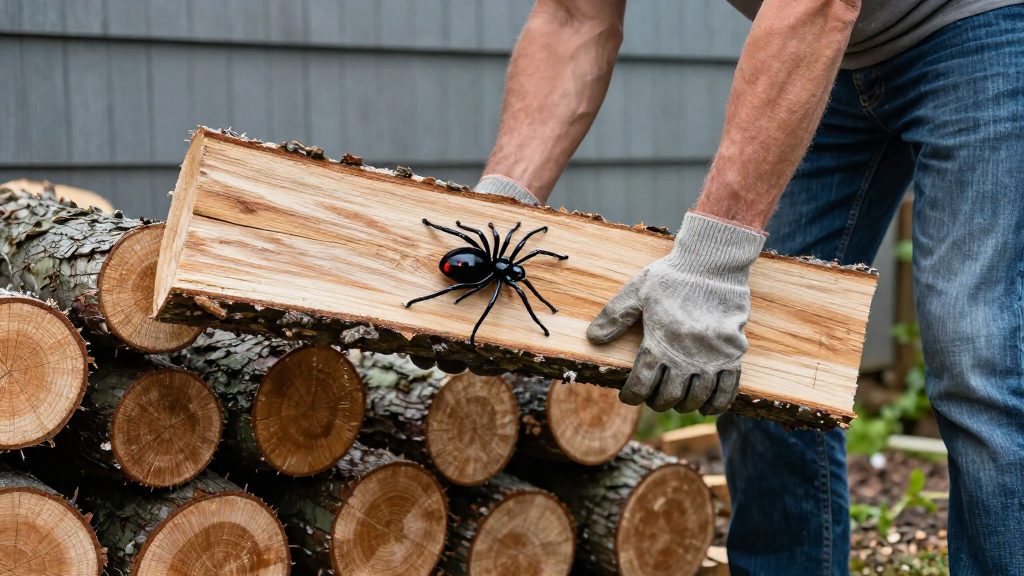
Black widows settle in woodpiles because the stack offers the dark, still, low shelter they prefer. Colorado State University Extension (2025) identifies woodpiles among the sites widows favor, and that same shelter makes them hard to inspect.
Why Are Black Widows in Your Woodpile?
Dark, undisturbed, ground-level sites
A stack that stays unmoved for long periods keeps its interior stable. Black widows favor dark, undisturbed sites near the ground, so inspect sheltered spaces around the base of the woodpile without reaching into hidden gaps. Check the base of the stack and the space under tarps or loose bark first.
Irregular, sticky webs among the stacks
Widow webs are irregular and sticky, strung through the gaps between stacked pieces rather than in open air. Because the webs sit in spaces you cannot see into, contact most often happens when a hand reaches in blind. Lift pieces with gloved hands.
Control methods for black widows around woodpiles, with the conditions each source attaches to them:
| Control measure | Target or condition | Source |
|---|---|---|
| Stack firewood away from the house | Reduces contact with spiders sheltering in wood | University of California Statewide IPM Program (2017) |
| Wear gloves when picking up firewood | Handling wood that may hide spiders | University of California Statewide IPM Program (2017) |
| Keep firewood outdoors, not indoors | Prevents hidden spiders from entering the home | Pests in the Home, National Cooperative Extension Resource |
| Wear heavy leather gloves and a long-sleeved shirt | Working in areas occupied by widow spiders | Colorado State University Extension (2025) |
| Vacuum, sweep, or dust webs, spiders, and egg sacs | Routine physical removal | Pests in the Home, National Cooperative Extension Resource |
| Reduce clutter, heavy ground cover, and hiding places | Lowers widow populations; complete elimination is impractical and treated areas can be recolonized | University of California Statewide IPM Program (2017) |
| Seal cracks, fit screens tightly, close gaps under doors | Prevents spiders from entering the home | Pacific Northwest Pest Management Handbooks, Oregon State University (2026) |
| Insecticides | Adult western widows; less effective against egg sacs | Colorado State University Extension (2025) |
| Physical removal | Most effective treatment described | Colorado State University Extension (2025) |
| Contact a pest professional | When chemical spider control is needed | Pests in the Home, National Cooperative Extension Resource |
| Read and follow the product label | Pesticide users, including protective clothing requirements | Pacific Northwest Pest Management Handbooks, Oregon State University (2026) |
How Do You Identify a Black Widow?
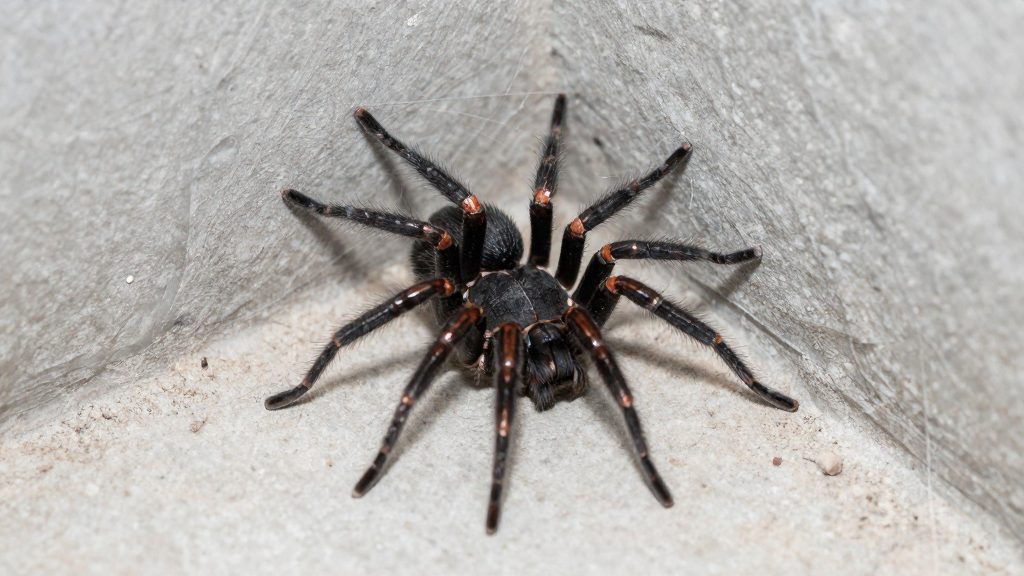
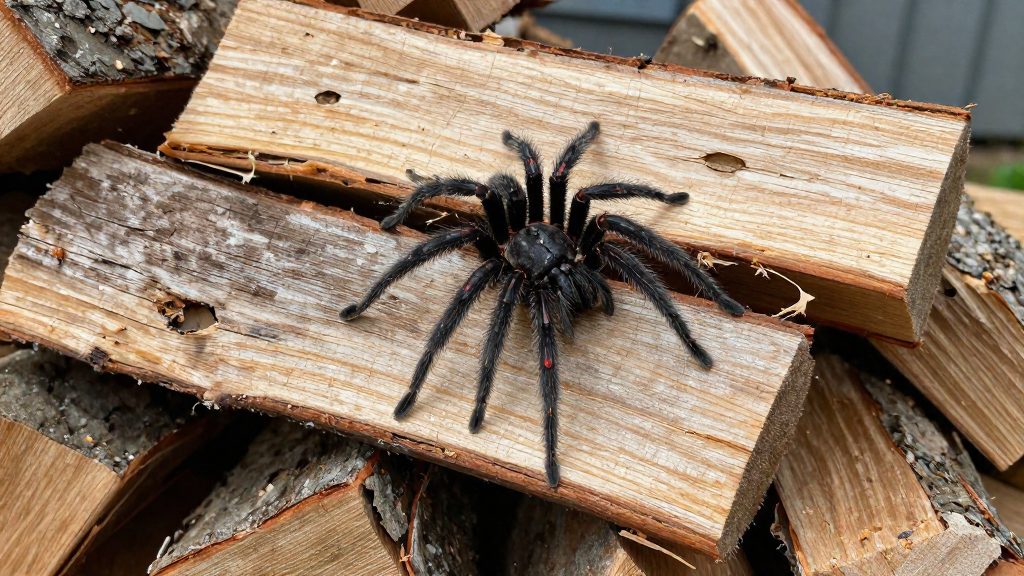
Adult female western black widows are generally shiny black overall, with a rounded abdomen, the large rear body segment. Check these two features first. Their glossy surface and round shape are the most consistent visual traits of the adult female.
The hourglass marking on the underside of the abdomen is the feature most often associated with widows, but it varies considerably in appearance and may occasionally be absent, according to the University of California Statewide IPM Program (2017). Treat it as a supporting sign rather than proof on its own. Assess the body color, abdomen shape, web, and underside marking together; similar spiders can share the dark color and rounded abdomen, and the hourglass can vary or occasionally be absent.
Protect Yourself Before Handling Firewood
Most western black widow bites occur when someone inadvertently presses against a hidden spider, including one sheltering beneath wood in a woodpile. Protective clothing and a few handling habits reduce that contact when you move or lift logs.
- Heavy leather gloves: Wear them when working in areas occupied by widow spiders. Put them on each time you pick up firewood, not only when you see webs.
- Long-sleeved shirt: Cover your arms when handling stacked wood, so that bare skin is not against the logs.
- Hidden spaces: Avoid reaching into gaps between logs or under the stack where you cannot see what you are handling.
- Indoor transfer: Do not carry hidden spiders indoors with the wood. Keep firewood stored outdoors rather than inside the house.
Remove Spiders, Webs, and Egg Sacs
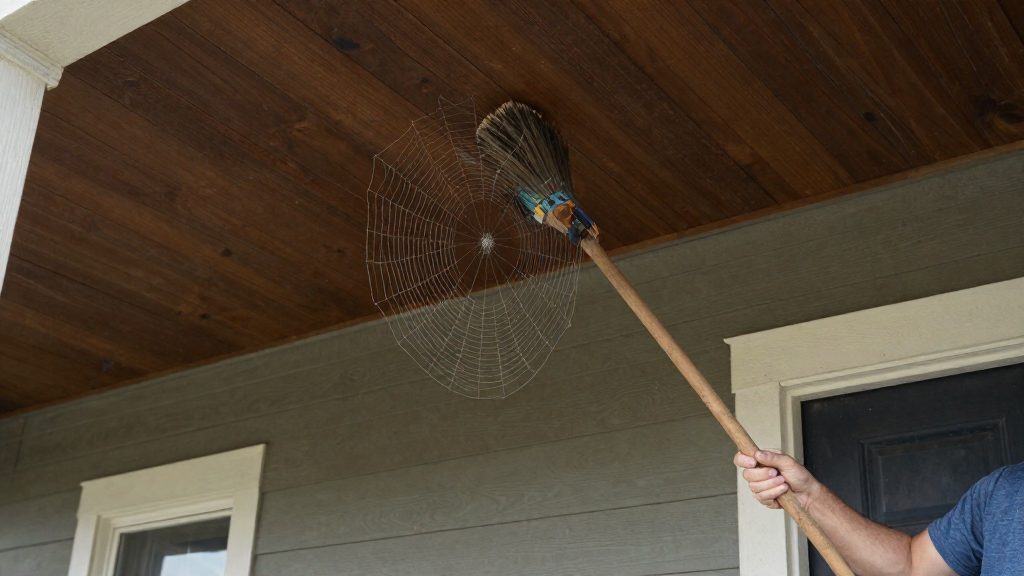
According to Colorado State University Extension (2025), physical removal is the most effective treatment for black widows, and insecticides are less effective against egg sacs. Use a vacuum, broom, or duster to remove webs, spiders, and egg sacs without direct hand contact; insecticides are less effective against egg sacs.
Vacuum, Broom, or Duster
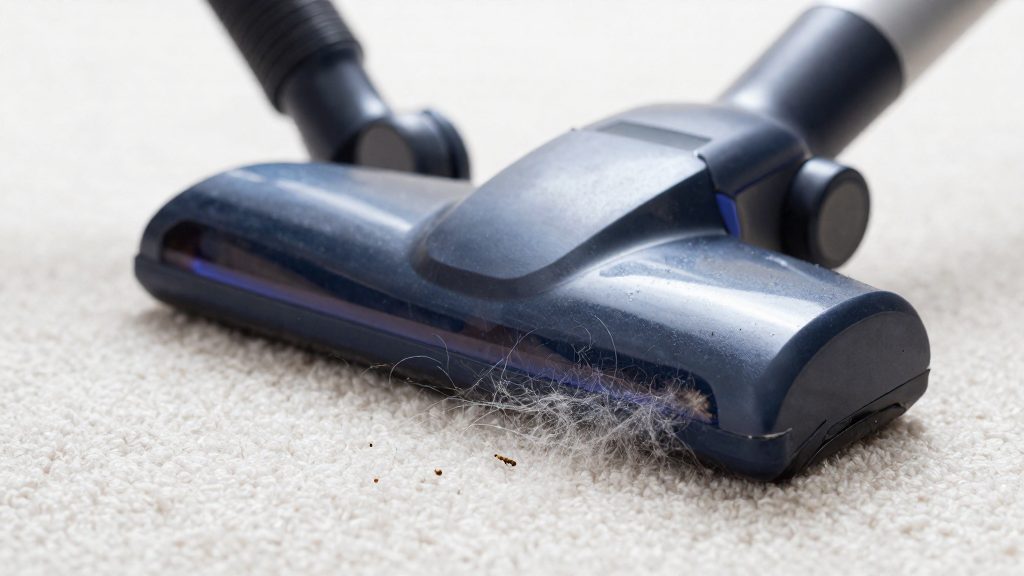
Pests in the Home, from the National Cooperative Extension Resource, recommends routine removal of webs, unwanted spiders, and egg sacs with a vacuum, broom, or duster. Each tool suits a different location:
- Vacuum: reaches gaps between split logs and the space under the stack.
- Broom: clears webs and sacs from the exposed faces of the stack and the ground beside it.
- Duster: lifts webs and sacs from surfaces without knocking them deeper into the pile.
Routine Checks
Treat removal as a routine check rather than a one-time clean-up. Inspect the woodpile on a regular schedule, and remove webs, spiders, and egg sacs in the same pass each time. Clearing sacs along with the webs and spiders is what keeps the next generation from building up in the stack.
Store Firewood to Reduce Spider Habitat
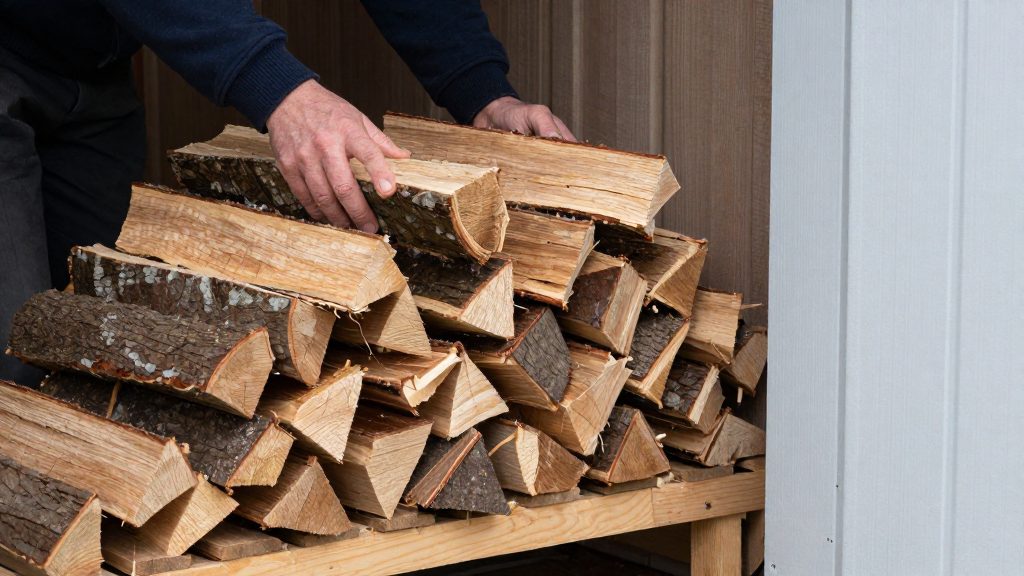
Storage placement changes the habitat around the house, which can reduce how many widows settle near living areas. Use three measures together: stack away from the house, keep the wood outdoors, and cut the clutter around the pile.
Stack the Woodpile Away from the House
Stack firewood away from the house, according to the University of California Statewide IPM Program (2017).
Keep Wood Outdoors
Store firewood outdoors rather than inside. The National Cooperative Extension resource Pests in the Home recommends this, and it avoids moving hidden spiders into the home with the wood. Keep the pile on a clear, open site rather than against a wall you use for indoor storage.
Reduce Clutter and Ground Cover
Remove clutter, heavy ground cover, and other hiding places around the pile. The UC IPM Program (2017) reports that this reduces widow populations. Complete elimination is impractical, however, and treated areas can be recolonized. Treat the reduction as ongoing maintenance: re-check the pile and its surroundings regularly, not just once when you first stack the wood.
When Should You Call a Pest Professional?
Physical removal comes first. Routine removal of webs, unwanted spiders, and egg sacs with a vacuum, broom, or duster is a recommended control measure, and Colorado State University Extension (2025) identifies physical removal as the most effective treatment it describes. If widows keep returning around a woodpile after consistent removal and clutter reduction, a licensed pest control professional is the appropriate next step. Reducing clutter, heavy ground cover, and other hiding places lowers widow populations, but complete elimination is impractical, so persistent sightings are the signal to escalate.
If you use an insecticide, check the product label before any application and follow it exactly, including its protective clothing requirements (Pacific Northwest Pest Management Handbooks, Oregon State University, 2026). Insecticides can help control adult western black widows but are less effective against egg sacs, so they work best alongside removal rather than in place of it. The National Cooperative Extension resource recommends contacting a pest professional when chemical spider control is needed.
For guidance specific to your region, contact your local cooperative extension office, which can advise on widow activity and control practices in your area.
What If a Black Widow Bites You?
Seek emergency medical care immediately after a suspected black widow bite, according to the University of California Statewide IPM Program (2017). Do not wait for symptoms to develop. Tell staff that the bite is from a suspected black widow and note the time it happened. If difficulty breathing develops, call emergency services immediately; report severe pain or muscle cramps promptly to the medical professional providing care.
Capturing the Spider Safely
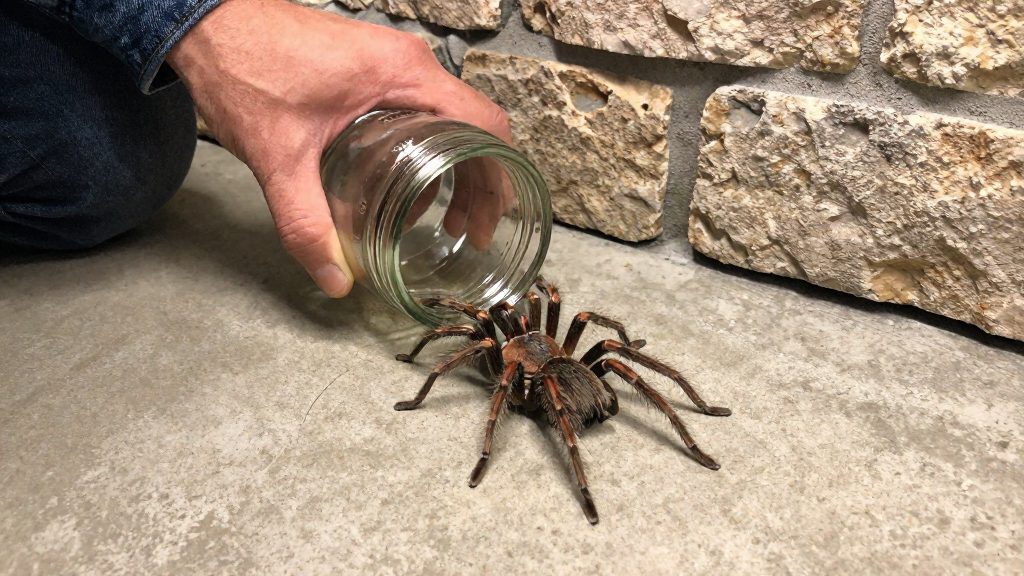
Attempt capture only if you can do it without touching the spider or reaching into the woodpile. Place a clear jar over it, slide a stiff card underneath, and seal the lid. Keep the container so that medical staff or a pest professional can examine the spider. Do not try to catch a spider you cannot see clearly.
Contacting Poison Control
Call a poison control centre or your local emergency number for treatment guidance while you travel to care. Give the time of the bite, the bite location, and any symptoms you have noticed. Follow the instructions you receive until you reach medical help.