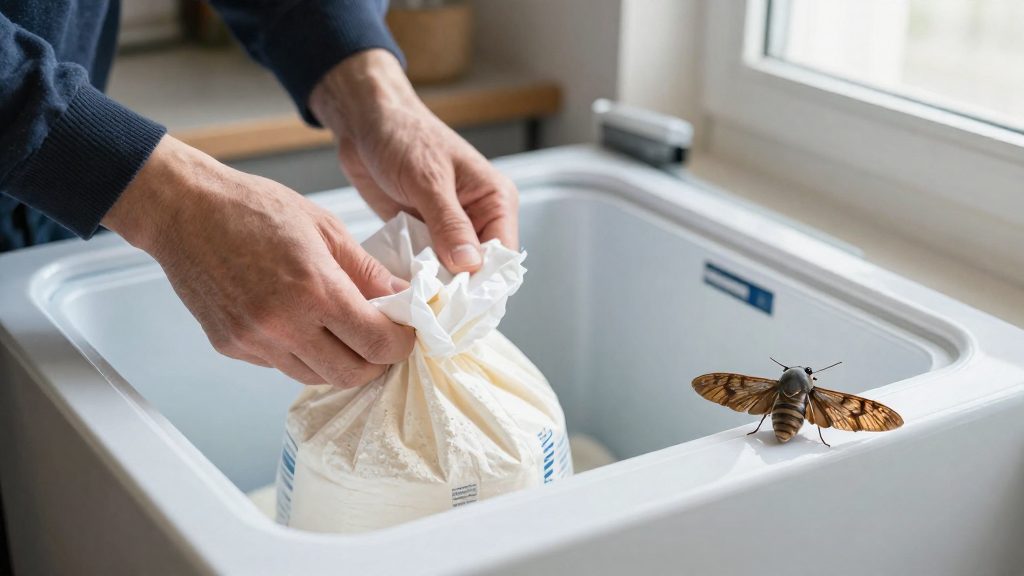
Yes. Freezing kills pantry moth eggs, and it also kills larvae and pupae, provided the flour is held at a low enough temperature for long enough. Utah State University Extension (2013) states that holding food at 0°F or lower until the entire contents are thoroughly frozen kills all insect life stages, including eggs and pupae. Freezing is therefore a recognised treatment for flour that may be infested.
Does Freezing Flour Kill Pantry Moth Eggs?
Life stages covered. The Utah treatment applies to every stage of the insect’s life cycle.
When freezing suits flour. The University of Maryland Extension (2024) notes that flour can be kept in the freezer to prevent pantry pest infestations, particularly when it will not be used promptly. This makes freezing most useful for bulk flour, wholegrain flour, or spare packages that sit in the cupboard for months.
What freezing does not do. Utah allows cold treatment for valuable products but advises discarding severely infested food. Freezing can kill insects in infested food, but it does not remove existing contamination. Minnesota and Maryland recommend discarding infested food; Utah allows cold treatment of valuable products and recommends discarding severely infested food.
How Long Should You Freeze Flour?
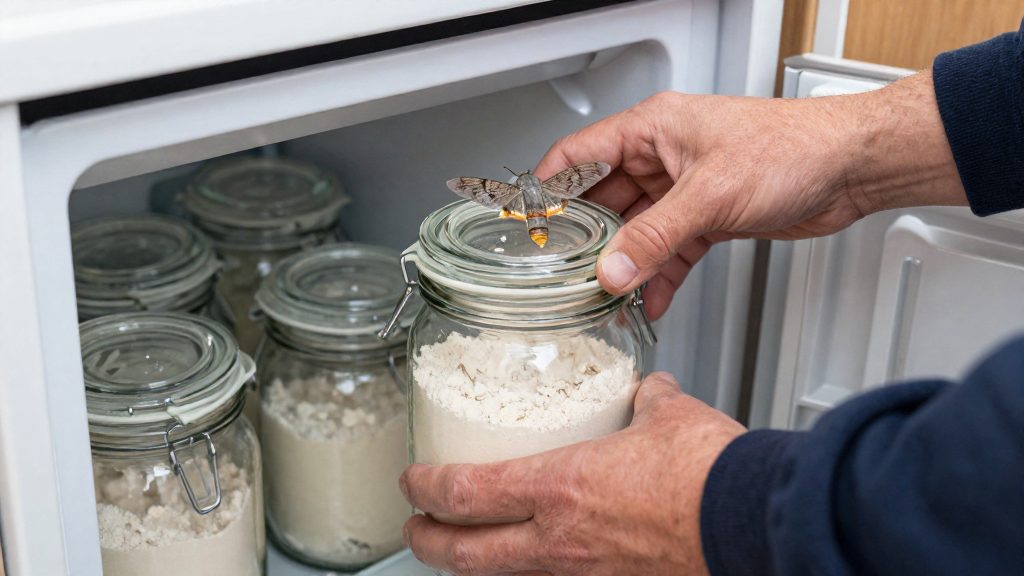
The recommended minimum is at least four days at 0°F. According to University of Minnesota Extension (2024), stored foods whose infestation status is uncertain should be frozen at 0°F for at least four days to kill eggs and insects. Utah State University Extension (2013-01-11) recommends a window of four to seven days at 0°F or lower.
| Source | Freezer temperature | Recommended duration |
|---|---|---|
| University of Minnesota Extension (2024) | 0°F | At least four days |
| Utah State University Extension (2013-01-11) | 0°F or lower | Four to seven days |
Overnight freezing and freezes of 24 to 72 hours are not among these recommended durations, so the four-day minimum is the figure to plan around.
When the Freezing Clock Starts
Utah State University Extension recommends four to seven days at 0°F or lower to ensure that the entire contents become thoroughly frozen. Utah State University Extension sets the four-to-seven-day period so that the entire contents become thoroughly frozen. Count the days from the point the whole package is frozen, not from the moment it goes into the freezer.
How to Freeze Flour at 0°F
Set the freezer to 0°F (about −18°C) or lower before placing any flour inside.
- Set the control. Adjust the freezer to 0°F or colder, then allow it to run until it reaches that temperature.
- Verify with a standalone thermometer. Place a standalone freezer thermometer on a middle shelf, away from the door and the cold-air vent. Read it directly rather than relying on the built-in control dial.
- Confirm before loading. Do not add flour until the thermometer reads 0°F or below.
- Load the flour. Place packages in a single layer where possible, leaving space between them so cold air reaches all surfaces.
When Should You Throw Flour Away?
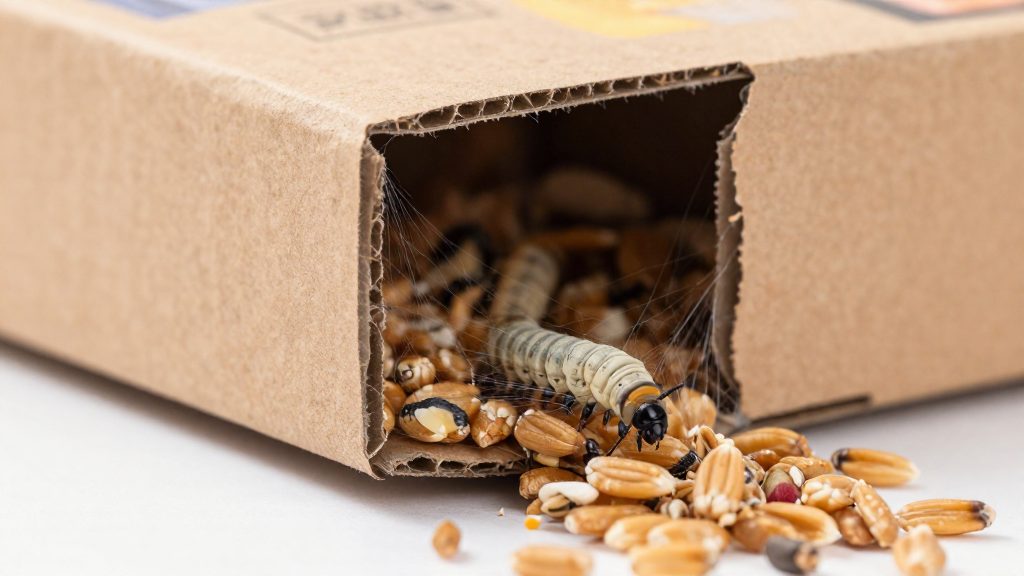
Silk webbing in stored flour indicates an Indianmeal moth infestation, because the larvae feed on the food and leave webbing behind. According to University of Minnesota Extension (2024), larvae may leave food to spin cocoons on walls or ceilings. Finding cocoons warrants checking susceptible stored foods, but does not by itself establish that an infested food source remains.
Flour showing webbing, larvae or cocoons should be discarded. University of Minnesota Extension (2024) and University of Maryland Extension (2024) both recommend discarding infested food. Maryland Extension also advises checking nearby unopened packages for infestation.
Storing Flour After Freezing
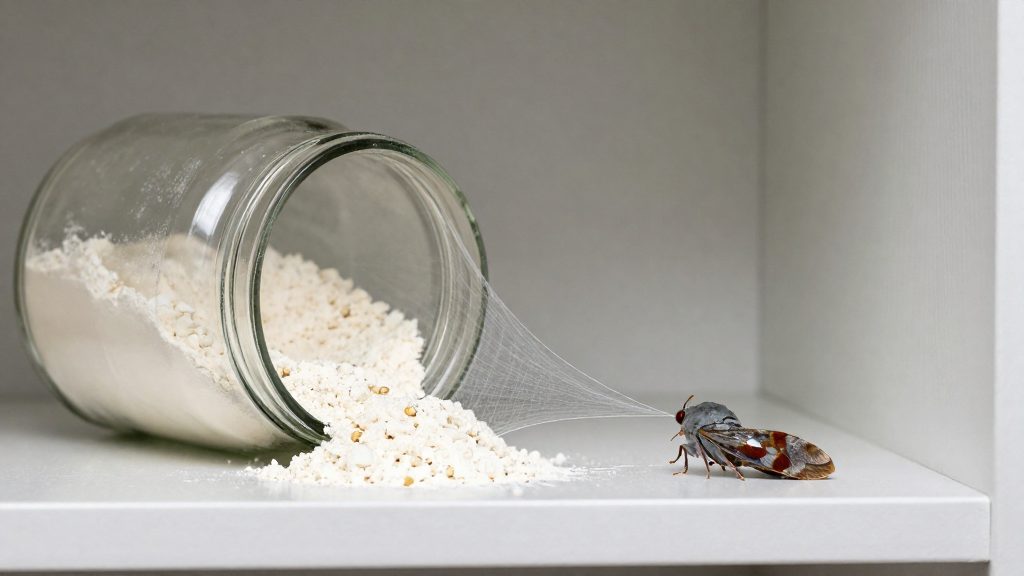
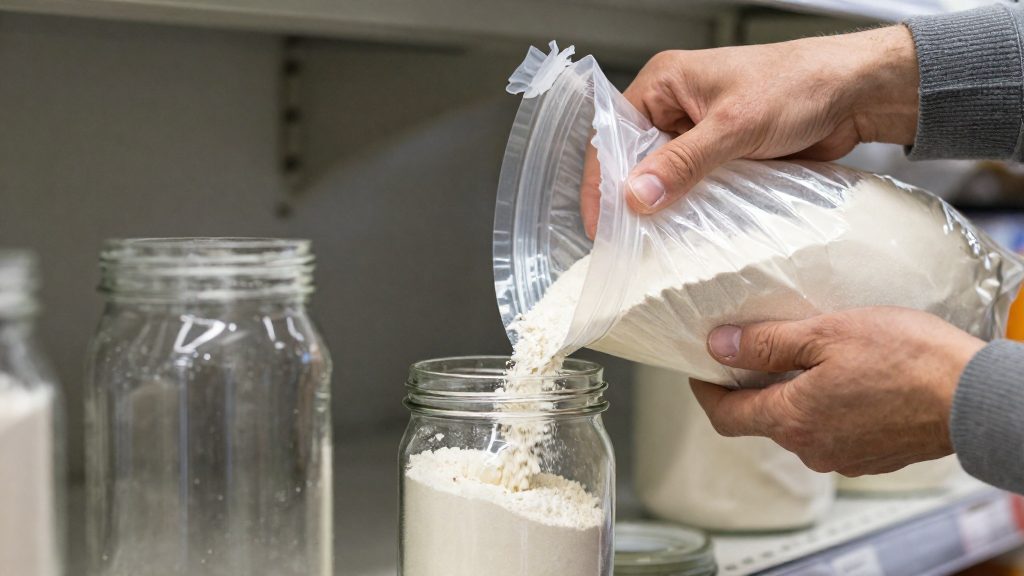
After freezing, move flour out of its original packaging and into a container made of glass, metal, or plastic with a tight-fitting lid, as recommended by University of Maryland Extension (2024). Check that the lid sits flush all the way around before closing, because pantry pests can enter beneath a loose lid.
Keep flour out of its original wrapping. Pests can chew through plastic bags and cardboard boxes, so a flour bag or box stored on its own offers no barrier. Once the flour is in a sealed container, store that container with the rest of your pantry goods, not beside any open packages.
Cleaning Your Pantry to Prevent Reinfestation
According to University of Maryland Extension (2024), the cleanup after an infestation has two core steps: vacuuming the shelves and washing the cupboards with warm soapy water. Check nearby and unopened packages during the same pass.
Vacuuming Shelves
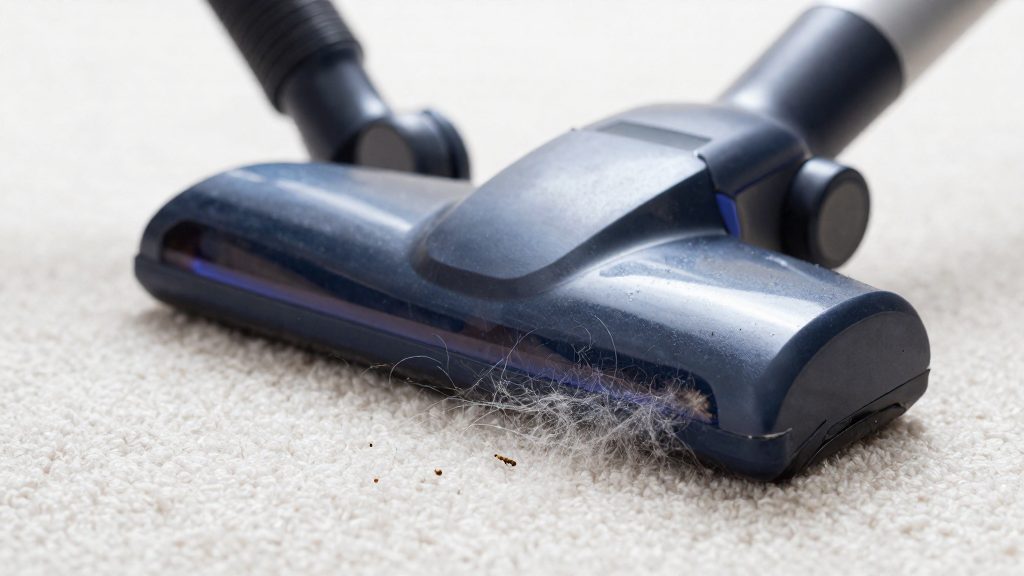
Vacuum every shelf to remove pests and debris. Empty the vacuum’s canister or bag outside the kitchen when you finish so that collected material does not return to the pantry.
Washing Cupboards
Wash the cupboard interiors with warm soapy water. Clean the whole cupboard, not just the shelf where the infestation was found.
Freezing Mistakes and Remedies to Avoid
| Mistake | Correct remedy |
|---|---|
| Heating finely ground flour in an oven to kill insects. Utah State University Extension (2013) warns of fire or explosion danger. | Do not use oven heat on flour. Freeze it in a sealed container instead. |
| Spraying insecticide onto food or into food storage areas. | Do not spray. Move flour to a sealed container and freeze it. |
| Assuming a single overnight freeze kills eggs. | Freeze for at least four days. |
| Storing flour in loose lids, plastic bags or cardboard boxes. Pests enter beneath loose lids and chew through bags and boxes. | Use glass, metal or plastic containers with tight-fitting lids. |
| Relying on bay leaves to deter pantry pests. There is no evidence they prevent or eliminate stored-food insects. | Use freezing or sealed containers instead. |