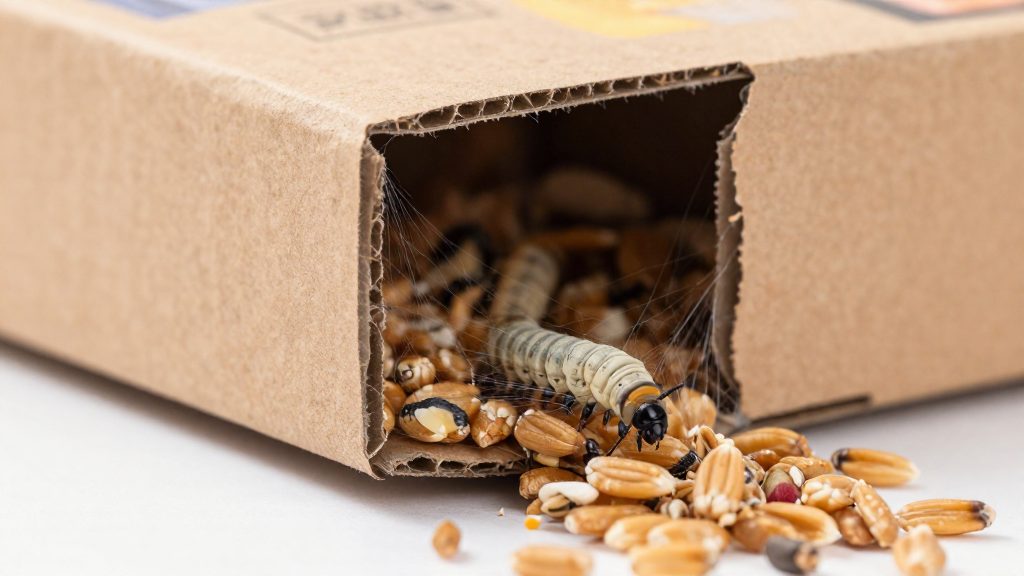
Pantry moth infestations are signaled by webbing, clumped grains or flour, droppings, and holes in plastic bags. The Indian meal moth is the most common pantry moth, and its larvae cause these signs, according to the National Pesticide Information Center (2025). Finding any of these signs in the food or its packaging points to an infestation, so inspect the surrounding food and packaging before treatment begins.
How do you know it’s pantry moths?
The signs come from larval feeding, so they are found on the food and its packaging.
| Sign | What it looks like | Where to check |
|---|---|---|
| Webbing | Silky threads spun through food | Inside opened packages and on the surface of grains and flour |
| Clumped grains or flour | Food stuck together in masses | Any open bulk container of dry food |
| Droppings | Small granular debris | Bottom of containers and along package walls |
Holes in bags and thin cardboard
Larvae can chew through plastic bags and thin cardboard. Holes in these materials show that larvae have reached the contents, so check every package that shows chewing, even if the food looks normal. Look along seams and corners, where the chewing is often found.
Larvae leaving the food
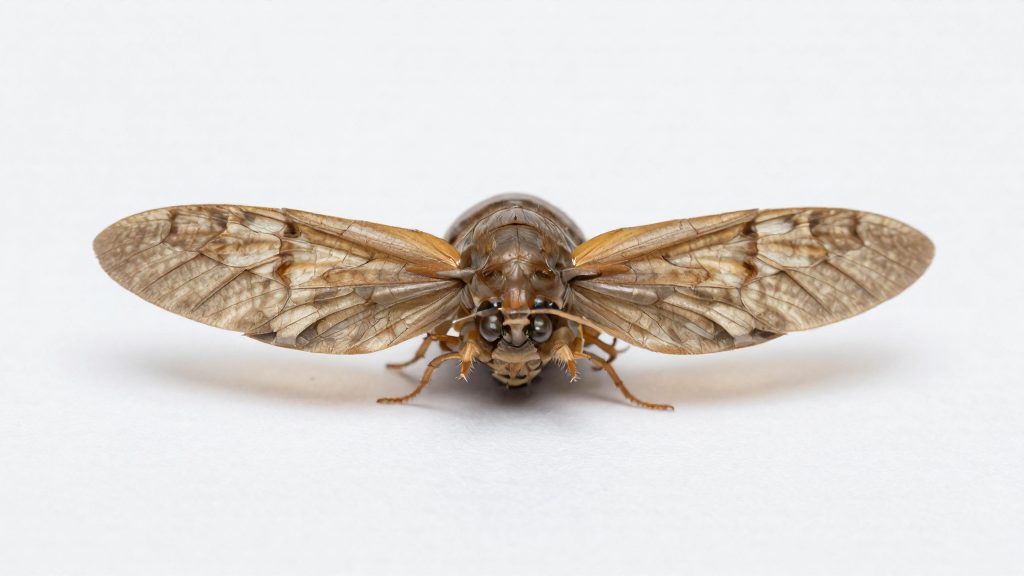
Larvae can travel away from the food to pupate, and this can cause re-infestation. A confirmed infestation can therefore show up in places with no food, so confirmation should cover the area around the food as well as the food itself. Any spot where larvae may have pupated is a likely site for the problem to return after treatment.
What should you throw out first?
Sort infested food by how far the contamination has spread and how the packaging has been breached.
Heavily infested versus lightly affected packages
Discard heavily infested food first. This includes packages with webbing, clumped contents, or droppings.
Packaging type determines how far a problem may have spread. A bag or box with holes may already have released larvae. Treat any breached package as a source of possible re-infestation, not as a minor case. Check nearby shelves and drawers for cocoons, because larvae that have left the food may have pupated there.
Checking unopened packages near infested food
Unopened packages stored close to an infested item still need inspection. Eggs can arrive in packages from the store, so check products when buying them and again at home (University of Maryland Extension, 2024). Look at seams, corners and surfaces for webbing, and examine any package that sat beside infested food.
Discarding infested food before cleaning begins
Remove infested food from the shelf before cleaning starts. The sequence recommended by the University of Maryland Extension (2024) is to throw out infested food first, then vacuum shelves and wash them with warm soapy water.
How do you clean a pantry after moths?
Cleaning removes the stages that discarding food does not reach. Larvae and cocoons can sit in shelf joints, drawer tracks and paper folds long after the food is gone, so the work must cover every surface, crack and fold.
Vacuum corners with a crevice tool
Start with the dry work. Vacuum the shelves, drawer tracks and the corners where shelves meet walls, using a crevice tool. Move the nozzle slowly along each edge so it picks up webbing, droppings and loose larvae. Vacuum before washing, so that debris is not pushed into wet areas.
Wash surfaces with warm soapy water
Clean up any spilled grain or flour first. Then wash the shelves, walls, door interiors and drawer rims with warm soapy water, working from top to bottom so that drips do not land on clean surfaces. Wipe each area dry before returning anything to it.
Remove cocoons from drawers, shelf paper and folds
Cocoons are often hidden in places where larvae have pupated away from the food. Check each location below and remove every cocoon you find.
| Location | What to check | Method |
|---|---|---|
| Drawers | Corners, runners and the underside of the drawer | Vacuum with the crevice tool, then wash |
| Shelf paper | Between the paper and the shelf | Remove the paper entirely and discard it |
| Towels and paper products | Folds of towels, napkins and paper goods stored nearby | Unfold each item and shake it out over the vacuum |
Replace shelf paper only after the shelf is fully washed and dry. Any cocoon left under the old paper can remain active in the new layer.
Can freezing or heat save your food?
Freezing infested or suspect food for one week kills eggs and larvae, according to the National Pesticide Information Center (2025-02-07).
One-week freezer treatment
- Put the infested or suspect package in the freezer for one week.
- Use the freezer treatment on food only.
Stages freezing does not target
The freezer step targets eggs and larvae. The source addresses only eggs and larvae and says nothing about cocoons or adults, so remove cocoons by cleaning, as described above. Freezing the food alone therefore leaves any cocoons already in nearby drawers, shelf paper or towel folds untouched.
Heat as an alternative
Colorado State University (2022) states that heating infested items to 120–140 °F (about 49–60 °C) for 20 minutes is an option. The same source notes that this heat can damage the item, so check that the item tolerates it before applying the treatment.
Do pheromone traps get rid of pantry moths?
Pheromone traps are a monitoring tool rather than a control method on their own. According to the National Pesticide Information Center (2025), they catch male moths and help monitor the population. Colorado State University (2022) notes that they help locate severe infestations but are unlikely to reduce infestations alone, because they don’t catch females. A single female can lay over 200 eggs, and traps do not catch females, so trapping males does not stop egg-laying. Use traps to confirm whether moths are present and where they are active, then combine that information with cleaning and food removal.
Monitoring population levels with pheromone traps
Pheromone traps draw in male moths, so a catch confirms activity in the room where the trap sits. Because the count reflects males only, it works as a relative indicator over time rather than a measure of the total population. Check traps on a regular schedule, record the catches, and compare the numbers before and after cleaning to see whether activity is falling.
Indian meal moth is the most common pantry moth, so a trap catch most often points to this species.
Using plain sticky traps to locate problem areas
Plain sticky traps can help locate problem areas. Placing them near shelves, cupboards and food storage spots lets you compare catches across locations and identify where activity is concentrated. Read trap results alongside physical signs of infestation. If a trap catches moths in a spot with none of these signs, check nearby packaging for eggs.
Should you spray insecticide in the pantry?
Insecticide spray should stay off pantry shelves and out of food storage areas, as University of Maryland Extension (2024) advises. Colorado State University (2022) makes one exception: a limited crack-and-crevice treatment near food storage can help when used alongside cleaning. Apply it only into cracks and crevices, never onto surfaces where food is placed.
Mothballs must not be used around food or food preparation areas, according to the National Pesticide Information Center (2025-02-07).
| Method | Status near food | Conditions |
|---|---|---|
| Insecticide spray on shelves | Not recommended | Keep out of food storage areas |
| Crack-and-crevice insecticide | Limited use | Only near food storage, alongside cleaning |
| Mothballs | Must not be used | Not around food or food preparation areas |
| Freezer | Option | One week; kills eggs and larvae |
| Heat | Option | 120–140 °F for 20 minutes; may damage the item |
For infested or suspect items, the freezer and heat options involve no chemicals. Check the product label of any crack-and-crevice product for restrictions on use near food storage.
How to keep pantry moths from coming back
Reinfestation usually starts with eggs or larvae carried in food bought from a store, so the first control point is the purchase itself.
Inspect at purchase and at home
Check each package for the signs above before it goes into the pantry, and check again when you unpack it at home. Packages showing any sign should be kept away from unaffected stock.
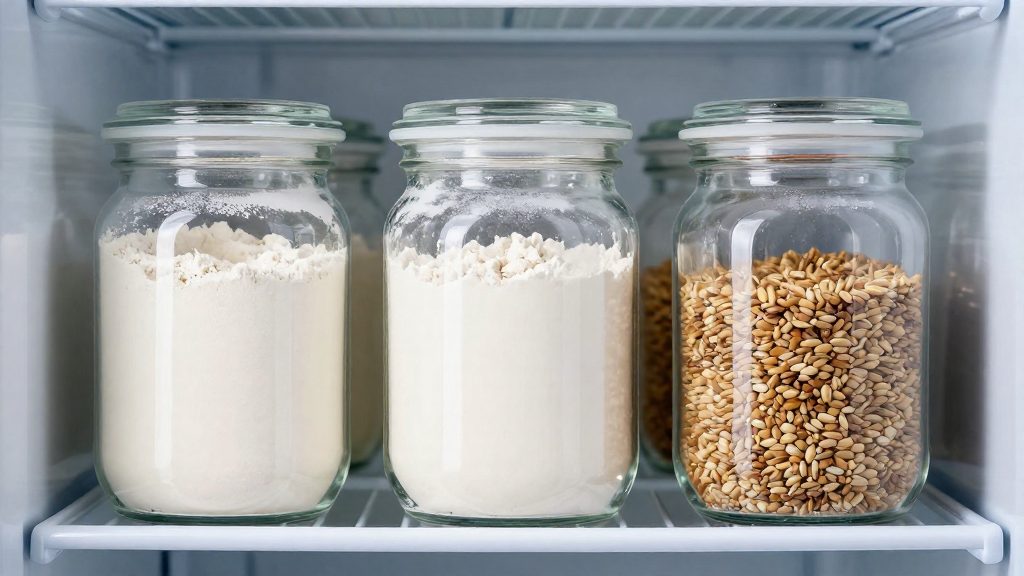
Store food in airtight containers
Food should be kept in glass jars with tight lids, plastic containers, or metal canisters.
| Storage option | Suitability |
|---|---|
| Glass jar with tight lid | Recommended |
| Thick plastic container | Recommended |
| Metal canister | Recommended |
| Plastic bag | Not recommended |
| Cardboard box | Not recommended |
Bulk food should go into thick glass or plastic containers (National Pesticide Information Center, 2025-02-07).
Keep food cool and dry
Store food in a cool, dry place, as the University of Maryland Extension (2024-10-17) recommends, and keep storage areas free of spilled food.
Use older products first
Rotate stock so that older packages are used before newer ones. This shortens the time any undetected eggs or larvae have to develop inside a stored package (National Pesticide Information Center, 2025-02-07).