What Attracts Pests to Crawl Spaces?
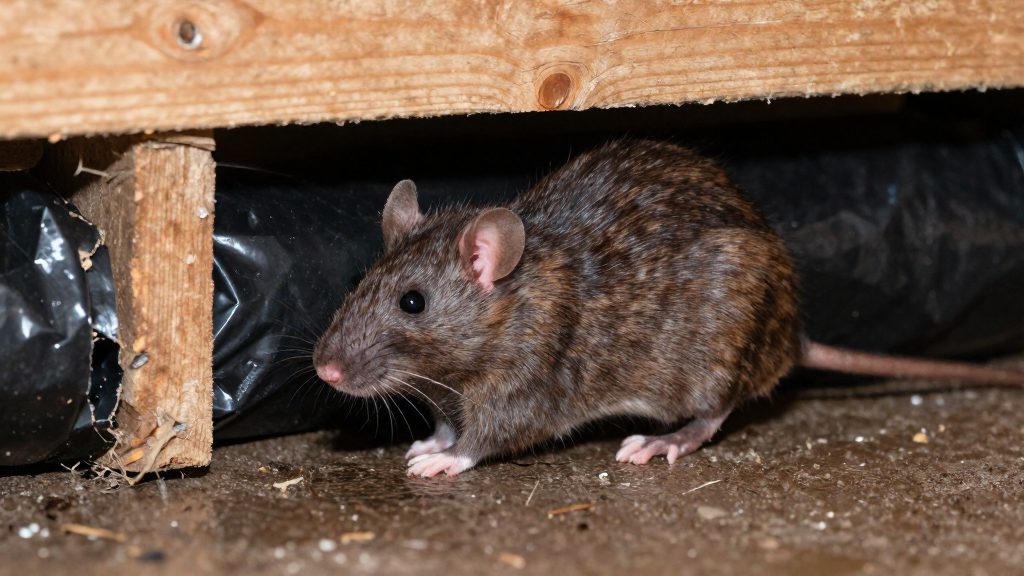
Crawl spaces offer rodents a sheltered route into the building because they connect the outdoors to the living areas through a few structural openings. The CDC identifies three main points to inspect for rodent entry: crawl space vents, the junction between the foundation and the ground, and openings around plumbing, electrical, cable, and gas lines (Centers for Disease Control and Prevention, 2024).
Entry Pathways Into Living Areas
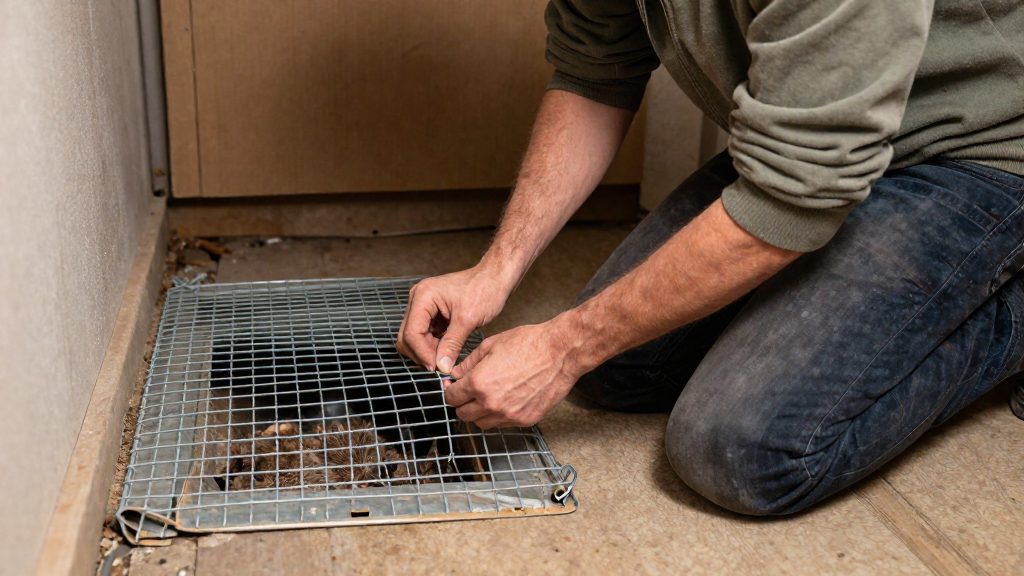
- Vents: Vent screens should be maintained in good condition and covered with metal hardware cloth to exclude rodents (San Mateo County Mosquito and Vector Control District, 2025).
- Foundation-to-ground junctions: Gaps at the foundation-to-ground junction can provide entry points for rodents.
- Utility penetrations: Plumbing, electrical, cable, and gas lines run from the crawl space up into the living areas, so an unsealed opening around any of them connects both zones.
Outdoor Shelter Next to the Foundation
Dense vegetation and accumulated debris beside the structure give rats shelter close to the entry points. Thinning the vegetation and removing debris reduce that shelter (San Mateo County Mosquito and Vector Control District, 2025).
Signs of Nesting
Check insulation and wood near the openings above for shredded material or gnawing, since these signs indicate that rodents are using the space. CDC advises contacting a pest control specialist when rodents occupy areas that cannot be reached for cleaning (Centers for Disease Control and Prevention, 2024).
Inspect for Pests and Entry Points
Mice can enter through openings about 1/4 inch (6 millimeters) in diameter, according to the Centers for Disease Control and Prevention (2024). Treat any gap that size or larger as a potential entry point, and log each one before sealing begins. Work the perimeter first, then the interior.
Check the Perimeter
- Crawl space vents: Inspect each vent opening and the gap between its frame and the surrounding masonry or wood.
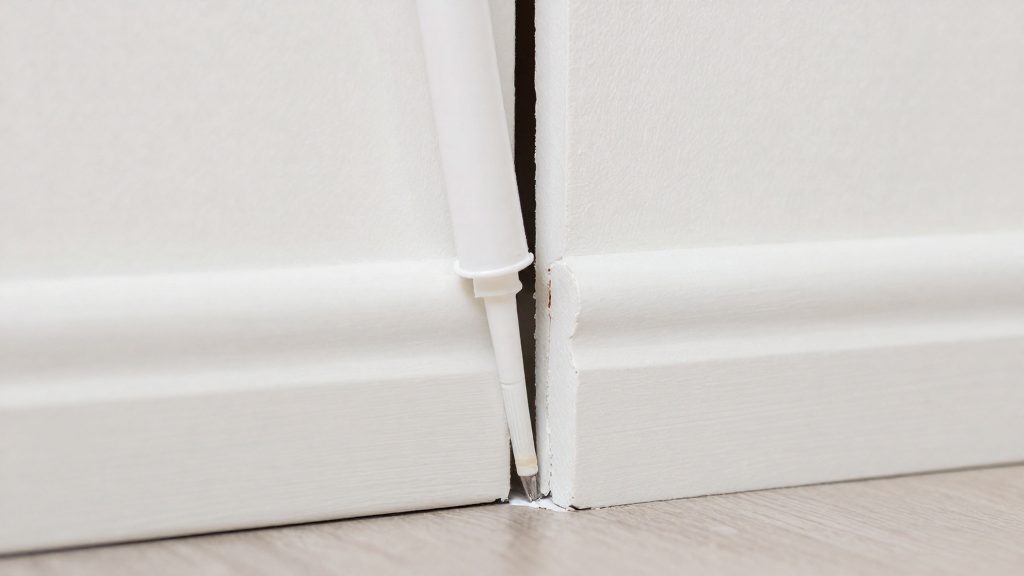
- Foundation-to-ground junctions: Walk the full foundation line where the wall meets the soil. Look for cracks, separated mortar, and gaps at the bottom of wood trim or siding.
- Grading and drainage: Note soil that slopes toward the foundation or areas where water pools. Wet ground beside an opening is a priority to record.
Inspect Utility Penetrations
Trace each line from the floor above to the point where it exits the foundation. Check every opening around:
- Plumbing pipes and drain lines
- Electrical conduit and wiring
- Cable and communication lines
- Gas lines
Look for gaps between the line and the framing, floor joist, or wall it passes through. Check plumbing penetrations for leaks. Record gas line openings separately so a licensed technician can assess them.
Read the Signs of Activity
Work along walls, beside pipes, across insulation, and in corners, paying attention to the areas near vents and penetrations.
- Droppings: Count and locate them. Fresh droppings indicate current activity, while older ones may show past use.
- Gnaw marks: Look for marks on wood edges, insulation facings, and pipe or cable sheathing.
- Nesting material: Look for shredded insulation, fabric, or paper gathered into a pile.
Plot each sign against the entry points you found. A nest or dropping cluster close to a gap usually marks the route in.
Seal Gaps With Rodent-Resistant Materials
Every gap at the foundation or around a utility line needs a rodent-resistant filler. According to the Centers for Disease Control and Prevention (2024), the material should match the size of the hole. Small holes take steel wool, and larger holes take metal screening, sheet metal, or cement.
Small Holes: Steel Wool Plus Sealant
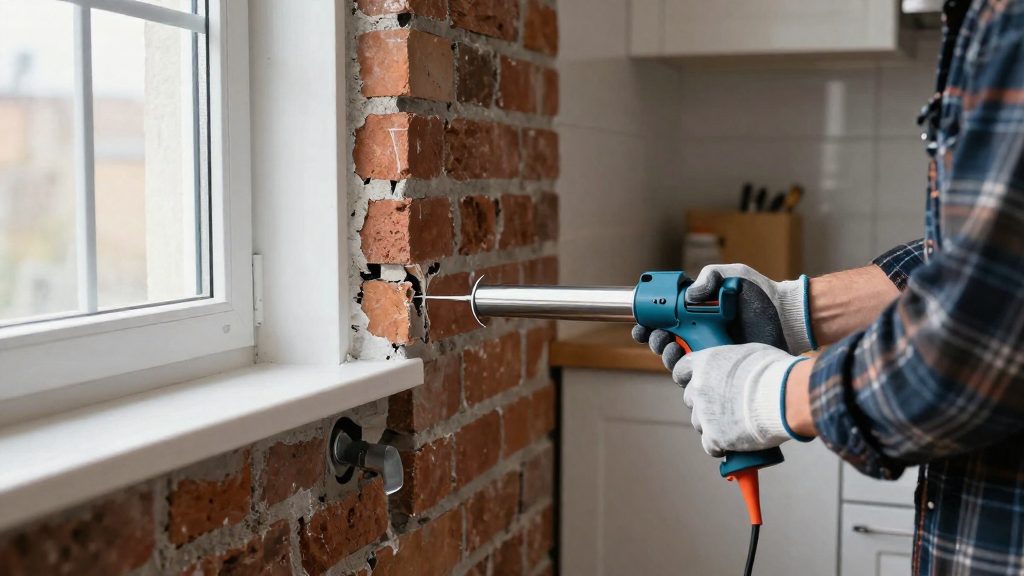
For small rodent entry holes, the CDC recommends steel wool secured with caulk or spray foam.
- Pack steel wool firmly into the hole so that it fills the full depth of the gap.
- Cover the wool with caulk or spray foam to hold it in place.
- Check the repair after a few weeks for any loosening or gaps at the edges.
Large Openings: Metal and Cement
Larger holes need materials that rodents cannot push through. The CDC lists these options:
- Metal screening or hardware cloth, cut to cover the opening and fixed in place
- Sheet metal, for wider gaps that need a solid plate
- Cement, for gaps in masonry or where the opening is part of the foundation
Matching Material to Gap Size
| Gap type | Recommended material |
|---|---|
| Small rodent entry hole | Steel wool secured with caulk or spray foam |
| Larger opening | Metal screening, hardware cloth, sheet metal, or cement |
Protect Crawl Space Vents and Doors
Crawl space vents and access hatches are among the most direct entry points for rodents, so every vent and door opening needs a rodent-proof barrier.
Cover Vents with Metal Hardware Cloth
- Fit each crawl space vent with metal hardware cloth whose openings are 1/4 inch or smaller, as recommended by the San Mateo County Mosquito and Vector Control District (2025).
- Cover ventilation openings with metal hardware cloth with openings of 1/4 inch or smaller; use solid repair materials only for surrounding structural gaps, without obstructing the vent.
- Fasten the mesh over the entire vent frame, with no gaps at the edges.
Keep Vent Screens in Good Condition
A screen that is torn, bent, or detached stops working as a barrier. Inspect vent screens during each crawl space check for tears, corroded or bent sections, and loose fasteners. Replace any damaged screen or patch it with metal hardware cloth. Do not rely on a plastic or fiberglass insect screen, which rodents can chew through.
Seal Access Doors and Weatherstripping
Access doors and hatches are often the largest openings in the crawl space envelope. To seal them:
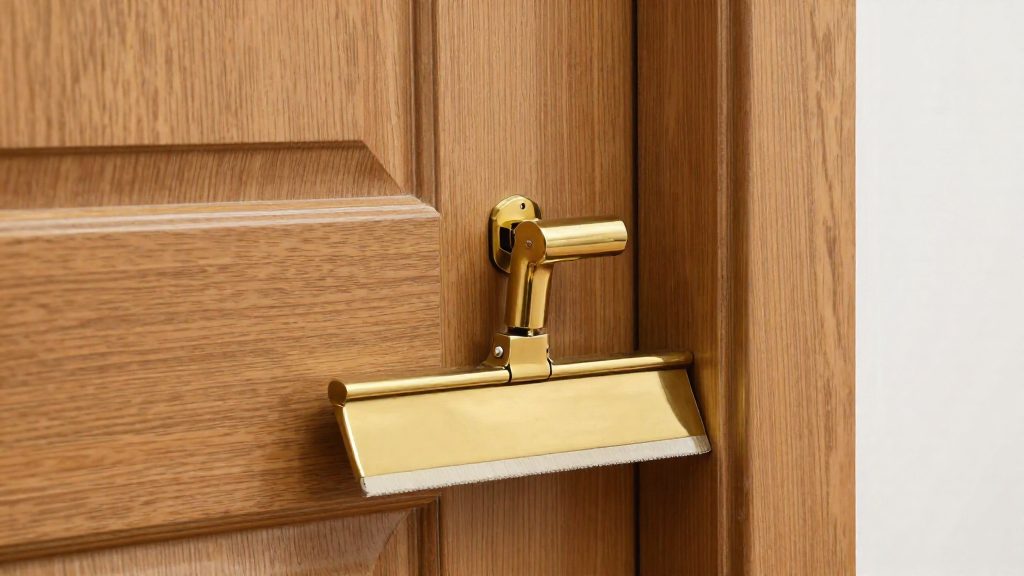
- Install weatherstripping along the door frame so the door compresses it when closed.
- Use latches or hardware that hold the door tight against the frame, so it cannot be pushed out of position.
- Replace weatherstripping that is cracked, flattened, or pulling away from the frame.
Fix Leaks and Control Ground Moisture
Pests such as rodents and insects are drawn to dampness and high humidity, so the first step is to stop water from entering or pooling under the house. According to the U.S. Environmental Protection Agency (2026), repairing plumbing leaks, eliminating accumulated water and drying wet materials help prevent pests. Ground moisture is then managed with a ground vapor barrier, and water outside the foundation is redirected with grading and downspouts.
Repair Leaks and Dry Wet Materials
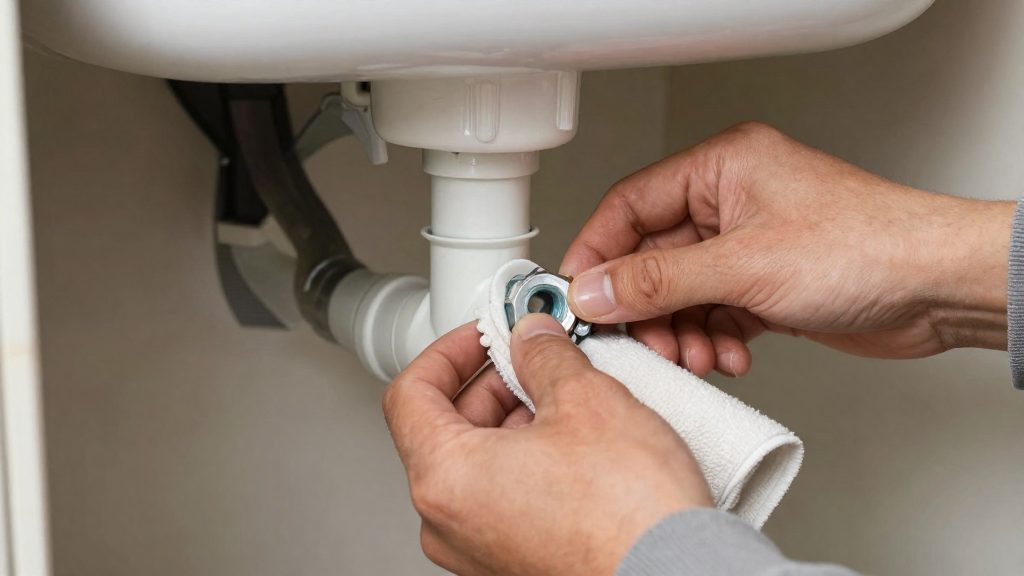
- Find and repair every plumbing leak in or near the crawl space, including supply and drain lines.
- Remove standing water, then dry wet insulation, wood and other materials before closing the space.
- Keep the crawl space dry as a continuing task.
Cover the Dirt Floor
For a dirt-floor crawl space, the EPA recommends a 6-mil polyethylene ground covering as a moisture-control measure. Lay the sheeting across the whole floor and overlap the edges by at least 12 inches. Seal or secure the seams and edges so the overlapped sections do not separate.
Direct Surface Water Away from the Foundation
The EPA advises directing downspout discharge away from foundations and grading the surrounding ground away from the house. Extend downspouts so they discharge well clear of the foundation walls, and slope the soil outward from the house so rainwater runs off rather than collecting against the walls.
Remove Clutter and Outdoor Pest Shelter
Outdoor debris is one of the simplest things to control around a home’s foundation, and removing it reduces the shelter available to pests before they reach the crawl space. The steps below cover stored paper goods, firewood, leaf piles and vegetation near the foundation.
Stored Paper and Cardboard
Avoiding long-term storage of newspapers, paper bags and boxes reduces potential pest hiding places, according to the U.S. Environmental Protection Agency (2026). Keep any paper goods that must be stored in sealed plastic or rigid containers, and move them out of the crawl space when possible.
Firewood and Leaf Piles
Store firewood and leaf piles away from the foundation. Thinning dense vegetation and removing debris reduce the outdoor shelter available to rats, according to the San Mateo County Mosquito and Vector Control District (2025).
Vegetation and Mulch Near the Foundation
Clear vegetation and mulch from the foundation perimeter. Dense plant growth against the house gives rats cover close to the entry points.
When Should You Call a Professional?
Call a licensed pest control specialist when activity continues after the do-it-yourself steps are done. According to the CDC (2024), a specialist should be contacted when rodents occupy areas that cannot be reached for cleaning.
Persistent Activity After Prevention
Escalate when persistent activity continues after entry points are closed and moisture is corrected. Recheck every entry point closed during the inspection. Keep snap traps near suspected crawl space entry routes and check them daily, out of reach of children and pets (CDC, 2024). Captures after sealing may include rodents already inside and do not by themselves prove that an entry route remains open. Continue trapping and checking for new activity; seek a professional inspection if trapping does not resolve the infestation.
If pests return while the area stays damp after leaks are repaired and wet materials are dried, the moisture source needs professional assessment.
Signs of Structural Damage or Widespread Infestation
Activity that spreads across several areas of the crawl space, or reaches areas you cannot clean, warrants a specialist. Damage to framing, plumbing, or wiring found during your inspection should also be reported to the professional so it can be assessed alongside the pest activity.
Choosing a Licensed Pest Control Operator
Before hiring, confirm the following:
- The operator holds a current pest control license issued by your state or local regulator.
- The inspection results are provided in a written report that identifies entry points and moisture conditions.
- Each product proposed is used according to its label, and you have the label in hand.
- The treatment plan is in writing and includes any follow-up visits.