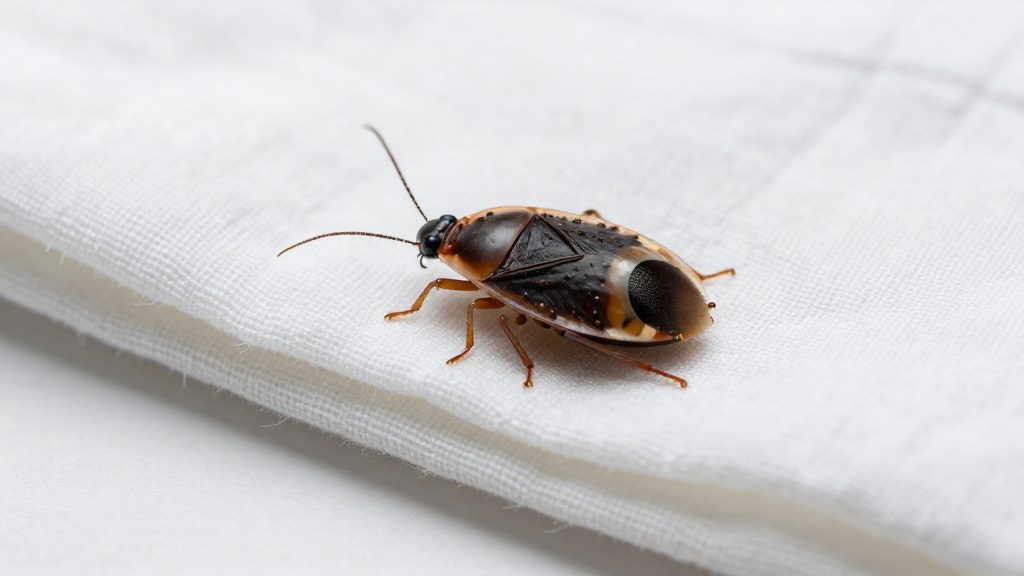
Bed bugs can survive without a blood meal for several weeks, and up to about 14 months to 1.5 years depending on the source; older bugs may last even longer. Adults usually live around 10 months, and the sources note that older bugs and bugs in a dormant state can go longer without feeding. Health Canada states that adults usually live about 10 months, and can live longer than a year in suitable conditions such as 21–28 °C. The Gouvernement du Québec states that bed bugs can live more than a year without feeding when in a dormant state.
How long do bed bugs survive without feeding?
Public health agencies report different figures for survival without a blood meal:
| Publisher (date) | Duration without feeding | Conditions noted |
|---|---|---|
| Health Canada (2022-12-15) | Several weeks to up to 1.5 years | Older bed bugs can go even longer |
| City of Toronto, Toronto Public Health (2024-10-25) | Up to 14 months | Bed bugs usually feed every few days |
| Gouvernement du Québec (2023-06-13) | More than 1 year | When in a dormant state |
Health Canada also states that adults usually live about 10 months and can live longer than a year at 21–28 °C. The Gouvernement du Québec gives a lifespan of 5 to 6 months. The two lifespan figures therefore differ, and both are reported here as published.
The gap between meals matters for control. Because bed bugs usually feed every few days, a room left empty for a few weeks may still contain living insects. A period of several weeks without a host falls within the documented survival range, so an unoccupied room should not be treated as clear on the basis of time alone.
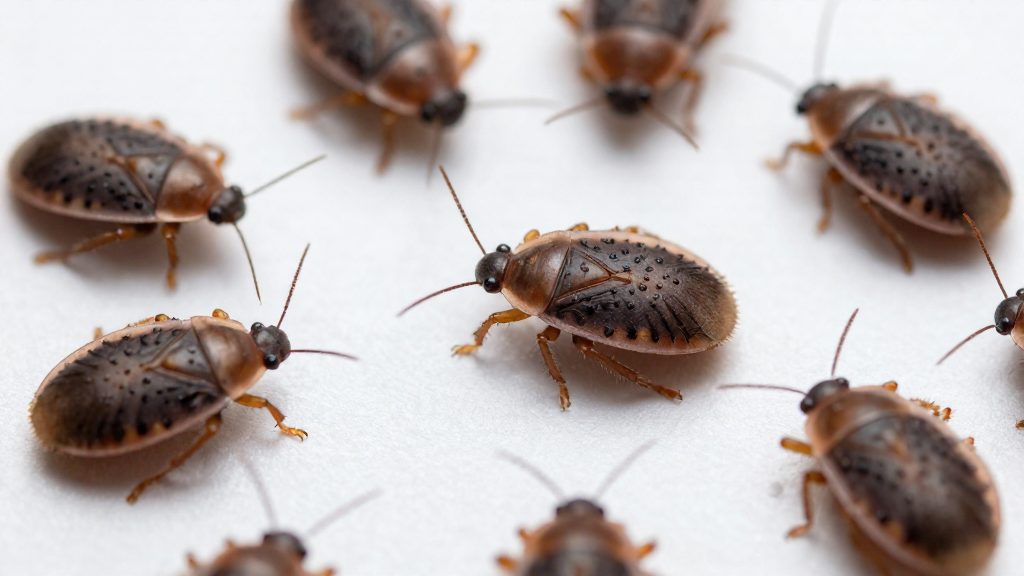
What Conditions Do the Sources Attach to Each Figure?
Published figures for survival without a blood meal range from several weeks to up to 1.5 years, with up to 14 months reported by Toronto Public Health. Each publisher attaches its figure to different conditions, so the numbers are not directly comparable.
| Source | Figure without feeding | Conditions stated |
|---|---|---|
| Health Canada (2022) | Several weeks to up to 1.5 years | Older bed bugs can survive longer |
| Health Canada (2022) | Adults usually about 10 months | Over 1 year at 21–28 °C |
| City of Toronto Public Health (2024) | Up to 14 months | Bed bugs usually feed every few days |
| Gouvernement du Québec (2023) | Over 1 year | Dormant state; general lifespan 5 to 6 months |
Temperature appears in the Health Canada adult lifespan figure: adults usually live about 10 months and can live longer than a year at 21–28 °C. This is a lifespan figure, not a figure for survival without feeding.
Feeding interval is context, not an explanation. Bed bugs usually feed every few days, yet Toronto Public Health reports that they can survive 14 months without feeding.
The Québec figure of more than a year without feeding applies to bed bugs in a dormant state, while the same publisher gives a lifespan of 5 to 6 months. An infestation that appears to have stopped feeding may therefore still contain viable insects, so a room should not be declared clear based on time alone.
What do the sources say about adult lifespan?
Health Canada (2022-12-15) and the Gouvernement du Québec (2023-06-13) give different lifespan figures, and both are reported here as published.
| Source (date) | Figure | Conditions |
|---|---|---|
| Health Canada (2022-12-15) | Adults usually live about 10 months | Can live longer than a year at 21–28 °C |
| City of Toronto, Toronto Public Health (2024-10-25) | Can survive up to 14 months without feeding | Usually feed every few days |
| Gouvernement du Québec (2023-06-13) | Lifespan of 5 to 6 months | More than a year without feeding when dormant |
Health Canada’s figure of about 10 months refers to adults, while the Gouvernement du Québec’s 5 to 6 months refers to bed bugs in general. Because the two figures are different measures and are not averaged, neither is presented as the single correct lifespan.
The gap between feedings is therefore not a reliable measure of whether an infestation has been cleared. A bed bug that has not fed for several weeks may still be alive, and a room that has shown no activity for a few weeks may still hold bed bugs.
Monitoring should continue well beyond the period of the last sighting. Three practical points follow from the figures:
- Temperature matters. Health Canada reports that adults can live longer than a year in suitable conditions such as 21–28 °C, compared with a usual adult lifespan of about 10 months.
- Dormancy extends survival. Bed bugs in a dormant state can outlive their usual lifespan, so an apparently inactive infestation can resume later.
- Check the same areas repeatedly. Inspections and traps should stay in place for a period matching the documented survival times, which can exceed a year, rather than being stopped after a short period with no activity.
Does leaving a home empty make bed bugs disappear?
No. An empty home does not reliably starve bed bugs out, because they can survive long periods without a blood meal. Health Canada (2022-12-15) reports that bed bugs can live from several weeks to up to a year and a half without feeding, and that older bugs can last even longer. The figures below come from three public health sources.
| Source (date) | Figure | Condition stated |
|---|---|---|
| Health Canada (2022-12-15) | Several weeks to up to 1.5 years | Without feeding; older bugs may last longer |
| Health Canada (2022-12-15) | About 10 months average adult lifespan | Can exceed one year under suitable conditions, such as 21–28 °C |
| City of Toronto (Toronto Public Health, 2024-10-25) | Up to 14 months | Without feeding; bugs usually feed every few days |
| Gouvernement du Québec (2023-06-13) | Lifespan of 5 to 6 months | Can exceed one year without feeding in a dormant state |
Vacancy is not a reliable control method, since the documented survival times without feeding range from several weeks to more than a year. Because bed bugs can survive several weeks to more than a year without feeding, a few weeks or months of absence does not guarantee an infestation has ended.
Effective control therefore requires active work during or after the vacancy. Inspect the bed frame, mattress seams, headboard, and nearby furniture and wall voids, paying attention to dark stains and shed skins. Treat or remove infested items, and keep bedding and clothing sealed until they have been treated. Plan a follow-up inspection before anyone reoccupies the room, since surviving bugs may still be present.
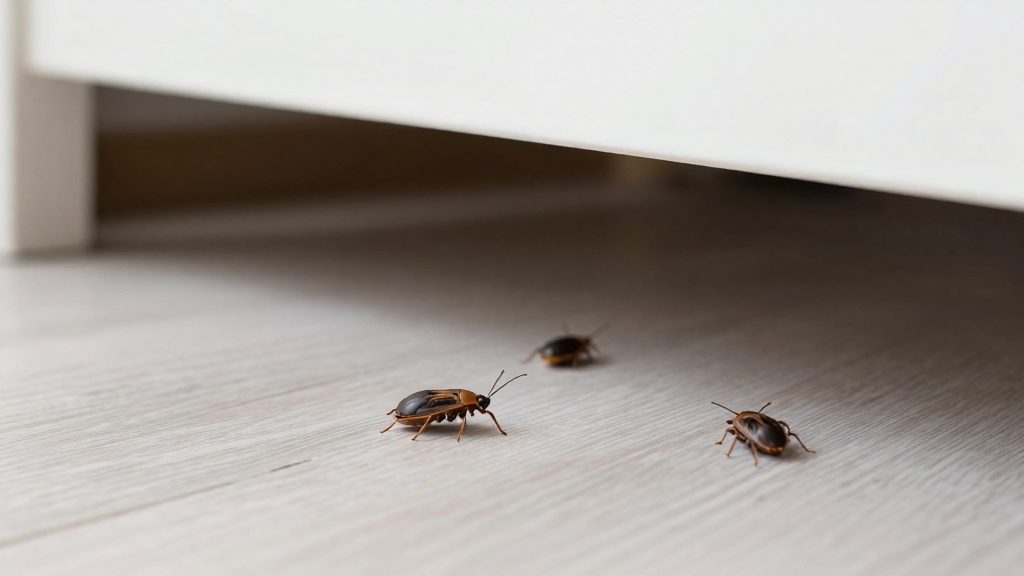
How Often Do Bed Bugs Feed?
Bed bugs usually feed every few days, according to City of Toronto Public Health (October 2024). They can nonetheless go a long time without a blood meal, and the period varies with age, temperature and whether the insect is dormant. Publishers report different measures, so the figures below are not directly interchangeable.
| Publisher (date) | Reported figure |
|---|---|
| Health Canada (December 2022) | Several weeks to up to 1.5 years without feeding; older bed bugs can go even longer |
| Health Canada (December 2022) | Adults usually live about 10 months; in suitable conditions, such as 21–28 °C, they can live longer than a year |
| City of Toronto Public Health (October 2024) | Up to 14 months without feeding |
| Gouvernement du Québec (June 2023) | Lifespan of 5 to 6 months; more than a year without feeding when dormant |
Bed bugs in a dormant state can survive more than a year without a blood meal, according to the Gouvernement du Québec (2023). A room with no sightings after a few weeks therefore cannot be considered clear. Health Canada (2022) adds that older bed bugs can go even longer.
Lifespan and survival without feeding are separate measures. Health Canada gives about 10 months as the usual adult lifespan, and separately reports survival without feeding of several weeks to 1.5 years. Treatment checks should therefore run well beyond the time a room stays empty, and any follow-up inspection should be timed against the longest figures above, not the average feeding interval of a few days.
How to check for bed bugs after a vacancy
Bites are an unreliable sign on their own. Bed bugs can live from several weeks to up to a year and a half without feeding, according to Health Canada (2022), so a bedroom with no recent bites can still be infested. Confirmation depends on finding the insects or their signs directly.
Inspect the Sleeping Area First
Start with the bed, then move outward in zones. Work through each one before moving on:
- Mattress and box spring: seams, tufts, piping, labels, and the underside.
- Bed frame and headboard: joints, screw holes, and gaps in the wood.
- Nearby furniture: upholstered seams, nightstands, and drawers.
- Walls and fixtures: behind baseboards, picture frames, and electrical outlet covers.
- Luggage and clothing: folds, pockets, and suitcase seams, especially after travel.
Use a flashlight and a thin tool, such as a credit card, to lift seams and edges.
Recognise the Signs
Confirmation rests on three types of evidence:
- Live insects: adults and nymphs, which are flat and brown when unfed and swollen and more reddish after a blood meal.
- Dark spots: fecal marks that look like small dots of marker ink on fabric or wood.
- Shed skins and blood smears: the translucent casings nymphs leave as they grow, and rust-coloured stains on bedding from crushed insects.
Finding one of these in a seam or crevice is strong evidence. Finding several in different zones is stronger still.
Use Monitoring Traps
Interceptor-style traps placed under each bed leg catch insects climbing from the floor. Leave them in place for several nights, then check them for trapped insects. Traps are useful when signs are faint, because they show whether bugs are actively moving toward the bed.
Treatments and Prevention to Prioritise
Because unfed bed bugs can persist for months, a single treatment visit does not confirm control. According to City of Toronto Public Health (2024), bed bugs can survive 14 months without feeding, and Gouvernement du Québec (2023) notes that dormant individuals can live more than a year. Any control plan should therefore include a monitoring period measured in months.
Start with a full inspection of the bed frame, mattress seams, headboard, and nearby furniture cracks, since these are where bugs hide close to where people sleep. Then:
- Vacuum seams, folds, and cracks thoroughly, and seal the vacuum contents in a bag before disposing of them.
- Wash and dry bedding and washable clothing at high heat.
- Reduce clutter around the bed so there are fewer hiding places.
- Fit mattress encasements designed for bed bugs, which trap any bugs already inside and block new ones from entering or leaving.
- Place interceptor traps under each bed leg and furniture leg to catch bugs climbing toward the bed and to show whether activity continues.
For an established infestation, a licensed pest control professional can combine treatment with follow-up inspections.
Frequently asked questions
Can bed bugs really survive more than a year without feeding?
Yes, but only in some cases. Toronto Public Health (2024) reports survival of up to 14 months without feeding, and the Gouvernement du Québec (2023) states that bed bugs can live more than a year without feeding when in a dormant state.
Is a bed bug’s lifespan the same as how long it can survive without feeding?
No. Health Canada (2022) gives a usual adult lifespan of about 10 months, while the Gouvernement du Québec (2023) gives 5 to 6 months. Survival without a blood meal is a separate measure, and older bed bugs can last longer without feeding than younger ones.
If I have seen no bed bugs for a few weeks, can I assume the room is clear?
No. Because unfed bed bugs can survive from several weeks to up to a year and a half, a short period with no sightings does not confirm that an infestation has ended. Keep monitoring for longer than the documented survival range before concluding a room is clear.