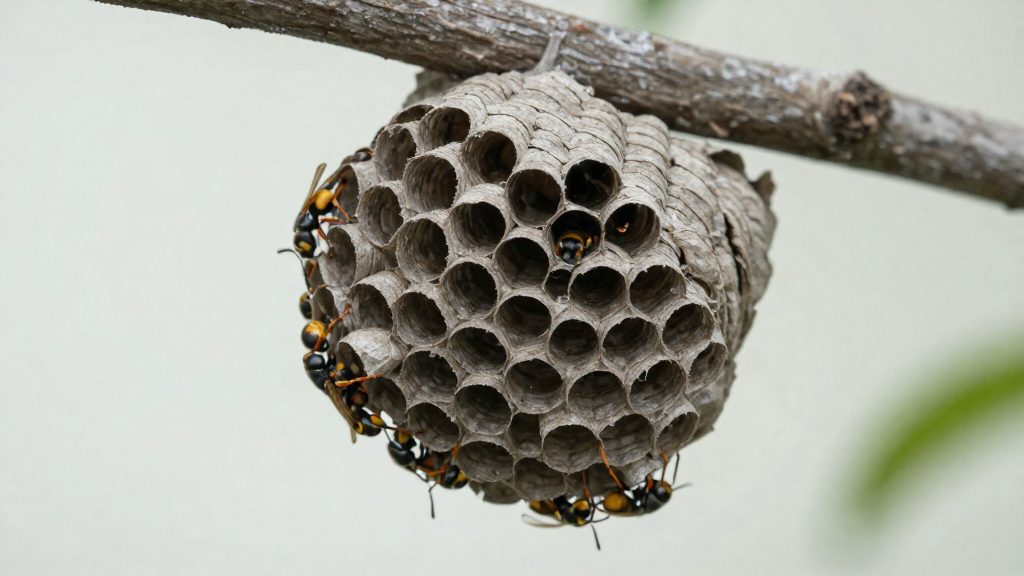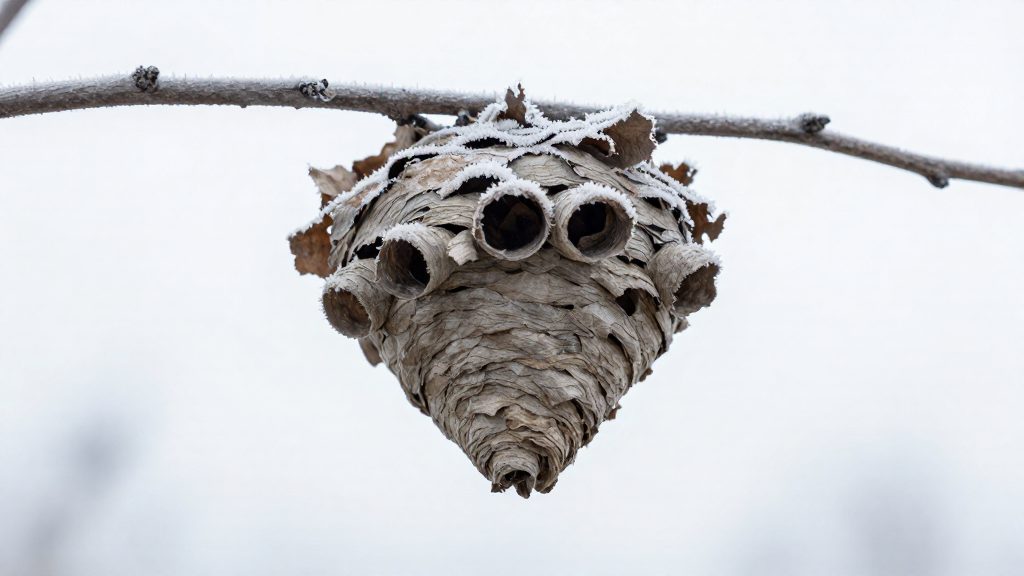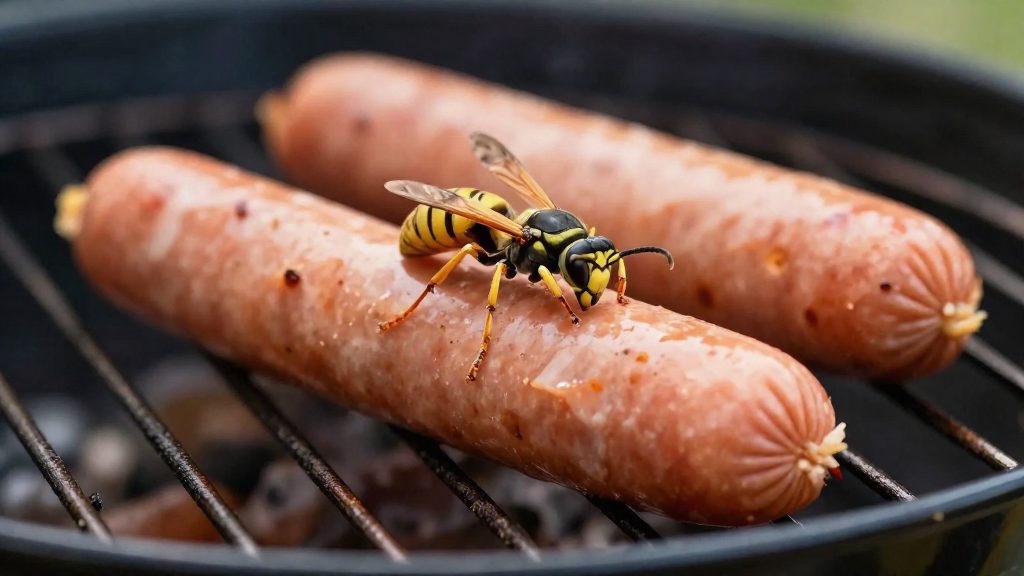
Wasps are most active around people in autumn, and food and sweet smells are the main reasons they come to a barbecue. Leftover food, sugary drinks and nests near the cooking area are the factors you can control before the grill is lit.
Why Do Wasps Invade Your Barbecue?
Wasps are most active around people in autumn. According to Thompson Rivers University (2023), entomologist Rob Higgins explains that nests are finished by then, so worker wasps mainly forage for their own food, which makes any meal left outdoors a target.
Food Residue and Open Containers
Food leftovers are a major draw. The Weather Network (2025) notes that wasps are very attracted to leftover food and recommends keeping bins closed. Orkin (2026) advises covering food between servings with mesh tents or aluminum foil, and keeping lidded bins away from the table and grill.
Sweet Drinks and Scents
Sugary drinks and sweet fragrances attract wasps to a table. Orkin (2026) advises avoiding both, as well as sweet scents.
Grill Grease and Nests
Grease and residue left on the grill also keep wasps interested. Orkin (2026) recommends cleaning the grill before and after each cooking session. Orkin (2026) also recommends checking for nests under eaves, on patios and in nearby trees. The Weather Network (2025) does not recommend destroying nests, because wasps are pollinators.
Reacting When Wasps Arrive
Orkin (2026) advises moving away slowly rather than swatting, which lowers the risk of a sting. Orkin (2026) advises booking a professional visit at least one to two weeks before the event.
The table below summarizes the wasp-prevention measures from the sources, with the publisher and year for each.
| Topic | Measure | Source |
|---|---|---|
| Season | Wasps are more active around people in autumn, when nests are finished and workers forage for themselves | Thompson Rivers University (2023) |
| Food | Cover food between servings with mesh tents or aluminium foil | Orkin (2026) |
| Waste | Keep lidded bins closed and away from the table and grill | Orkin (2026); The Weather Network (2025) |
| Grill | Clean the grill before and after cooking to remove grease and residue | Orkin (2026) |
| Drinks and scents | Avoid sugary drinks and sweet scents | Orkin (2026) |
| Nests | Check under eaves, decks and nearby trees for nests; do not destroy them, as wasps are pollinators | Orkin (2026); The Weather Network (2025) |
| Behaviour | Move away slowly rather than swatting | Orkin (2026) |
| Professional visit | Book at least one to two weeks before the event | Orkin (2026) |
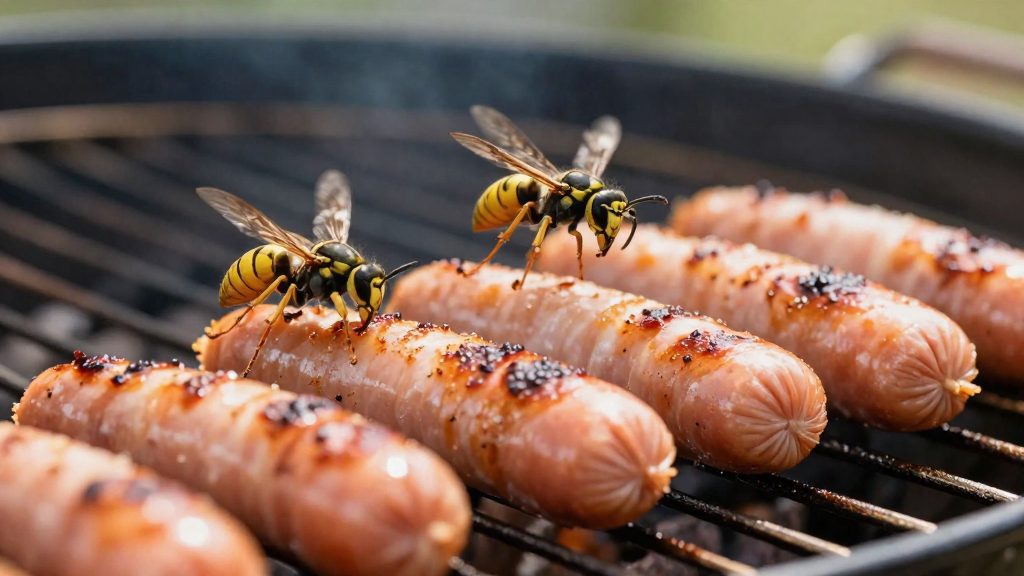
Covering food and drinks
According to Thompson Rivers University (2023), wasps are most active around people in autumn. Their nests are finished by then, so the workers forage mainly for themselves, which makes sugary food and drinks on a barbecue table especially attractive.
Orkin (2026) recommends the following measures:
- Cover food between servings with mesh tents or aluminium foil, so it is never left open on the table.
- Keep lidded bins away from the table and the grill. The Weather Network (2025) notes that wasps are strongly attracted to leftover food, so keeping bin lids closed matters.
- Avoid sugary drinks and sweet scents, which draw wasps to the table.
- Clean the grill before and after cooking to remove grease and food residue.
Check cans and glasses before drinking from them, because a wasp can be inside an open container. Clear away plates and leftovers as soon as the meal ends, rather than leaving them out while guests are still eating.
Managing Bins and Food Waste
Wasps are strongly attracted to food scraps, so the main waste measure at a barbecue is to keep leftovers out of their reach. The Weather Network (2025) identifies keeping bins closed as its one practical tip, and Orkin (2026) adds steps that cover food, bin placement and the grill.
Start with the food itself. Orkin advises covering dishes between servings with mesh food tents or aluminium foil, so wasps cannot reach what is on the table. Clear plates and serving trays as soon as guests finish eating, rather than leaving scraps exposed.
Bins need the same attention. Orkin recommends placing bins with lidded containers away from both the table and the grill, and keeping the lids closed throughout the event.
The grill is a second source of attraction. Orkin recommends cleaning it before and after cooking to remove grease and food residue. Clean the grates once cooking is finished and keep the bin lid closed.
Cleaning the Grill and Dining Area
Cleaning the grill is one of the measures Orkin recommends to reduce wasp attraction. Orkin recommends cleaning the grill before and after each cooking session to remove grease and food residue (Orkin, 2026). Residue collects on the grate, the drip tray and the grease collector, so the routine should cover all of these, not only the cooking surface. Scrape the grate while it is still warm, wash it with hot soapy water once it has cooled, and empty the grease tray before it overflows.
Timing matters. Thompson Rivers University entomologist Rob Higgins notes that wasps are more active around people in autumn, when nests are finished and workers mainly forage for themselves (Thompson Rivers University, 2023). Late-season barbecues are where this attraction matters most.
Before the first cooking session of the season, check the property for nests under eaves, on decks and in nearby trees, as Orkin advises (Orkin, 2026). A nest close to the cooking area changes how the dining area should be managed.
For the dining area, the following steps reduce the food left within reach:
- Clear plates and cutlery as soon as the meal ends instead of leaving them on the table.
- Wipe up spilled food and drink immediately, including the table edges where sticky residue builds up.
- Sweep up scraps dropped on the ground under and around the table.
- Rinse empty cans and bottles before setting them down, so no sugary residue remains on them.
How to spot a nest before the party?
Orkin recommends checking the following areas before guests arrive:
- Under eaves of the house and of any outbuildings
- On and around decks and terraces
- In nearby trees
Walk the perimeter slowly and watch for wasps entering and leaving the same spot. A steady flow of insects through one opening usually indicates a nest. Keep your distance from that opening and do not try to disturb it.
What to do if a wasp approaches
If a wasp comes close, move away slowly and keep your movements steady. Stay calm and keep moving away slowly.
Wasps are most active around people in autumn. According to Thompson Rivers University (2023-09-11), nests are finished by then and the workers forage mainly for themselves, so they are more likely to investigate food and drinks near you.
Check what is drawing them in before you move:
- Sugary drinks and sweet scents attract wasps. Orkin advises avoiding both (Orkin, 2026).
- Uncovered food on the table is a strong draw. Orkin recommends covering it between servings with mesh tents or foil (Orkin, 2026).
- Food scraps are highly attractive to wasps. Keep bins with lidded containers away from the table and grill (The Weather Network, 2025; Orkin, 2026).
- Grease and residue on the grill also draw them. Orkin recommends cleaning the grill before and after cooking (Orkin, 2026).
Do not try to destroy a wasp nest yourself. The Weather Network (2025) does not recommend destroying nests, because wasps are pollinators.
Summary of Orkin’s prevention steps
The measures covered here are food and waste control. Wasps are most active around people in autumn, when their nests are finished and the workers forage mainly for their own food (Thompson Rivers University, 2023-09-11). Removing what attracts them is the first step.
Orkin’s recommended steps are:
- Cover food between servings with mesh tents or aluminium foil.
- Keep lidded bins away from the table and the grill, since wasps are strongly drawn to food scraps.
- Clean the grill before and after cooking to remove grease and food residue.
- Avoid sugary drinks and sweet scents, which attract wasps.
- Move away slowly if a wasp approaches. Swatting it increases the risk of a sting.
Before the event, check for nests under eaves, on terraces and in nearby trees (Orkin, 2026). Do not destroy nests. The Weather Network (2025) advises against this because wasps are pollinators.
When to Call a Professional
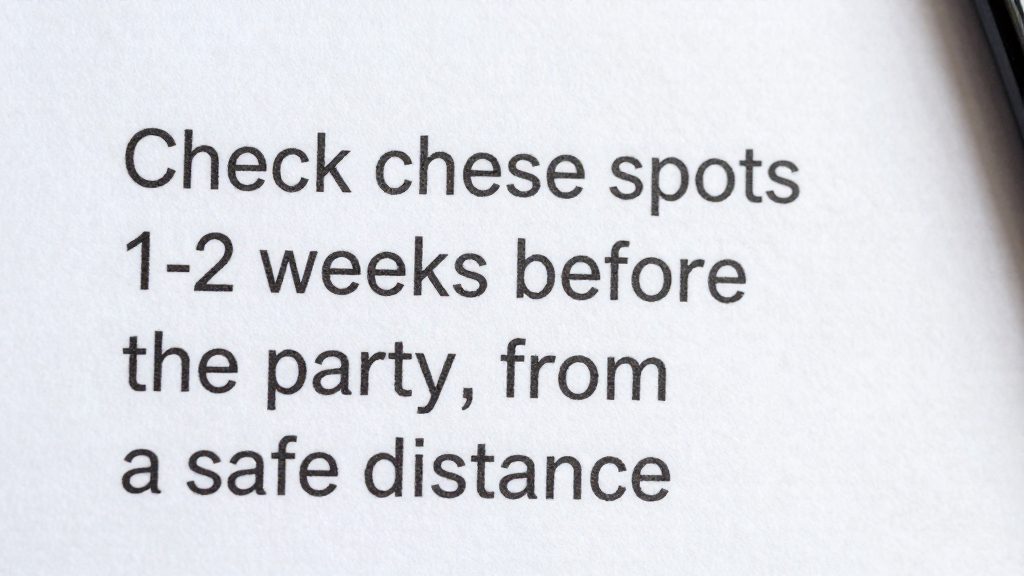
Orkin advises booking a professional visit at least one to two weeks before an outdoor event. Booking early leaves time before the event. Before the visit, check the usual nesting spots that Orkin recommends inspecting:
- Roof eaves
- Decks and terraces
- Trees close to the grill and seating area
The timing matters as well. According to Thompson Rivers University (2023), wasps are more active around people in autumn. By then, nests are finished and worker wasps mainly forage for their own food, so late-season barbecues can draw them in even when no nest is close by. Keep food covered and bins closed, as described above, to reduce that attraction.
Do not try to destroy a nest yourself. The Weather Network (2025) advises against destroying nests because wasps are pollinators, so a nest near a seating area is a reason to book the professional visit Orkin advises.