Does Caulk Actually Stop Pests?
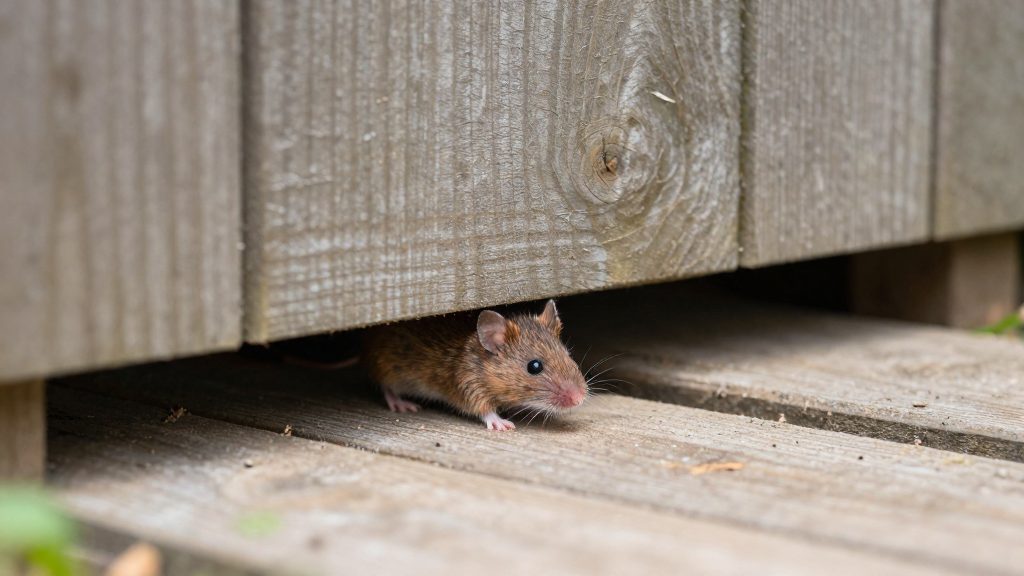
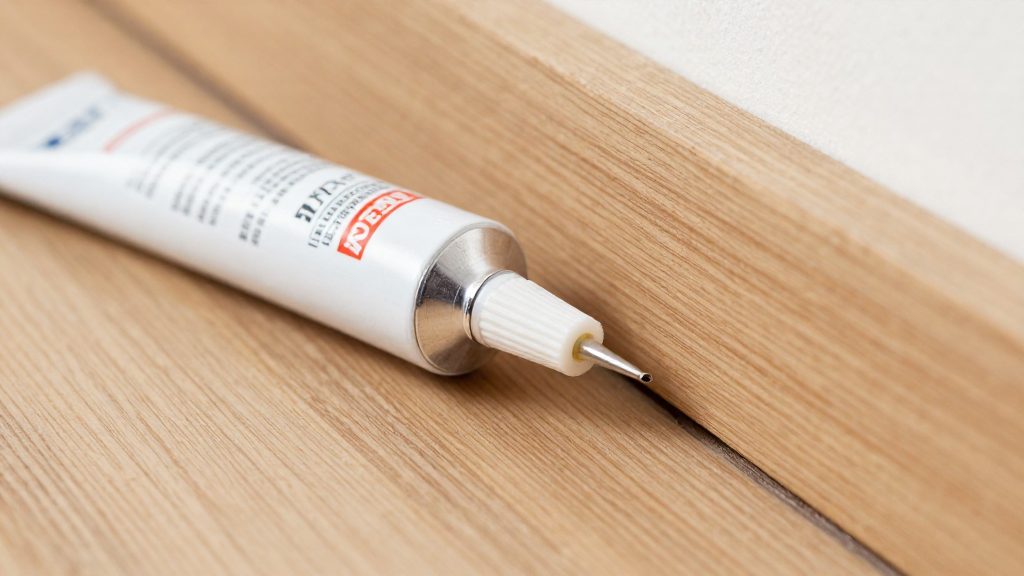
Caulk alone does not reliably stop rodents. It seals gaps only when the opening is already small, and it works best with a metal mesh or filler underneath. According to the CDC (2024), mice can pass through an opening of about 1/4 inch (6 mm), roughly the width of a pencil. Any gap that size or larger needs a physical barrier, with caulk used to hold that barrier in place and close the remaining space.
Matching the Fill to the Opening
| Opening | Recommended fill |
|---|---|
| Small holes | Steel wool packed in, then caulk applied around it to hold it in place |
| Larger openings | Hardware cloth, lath, metal, cement or wire mesh |
| Attic vents and basement windows | Galvanized mesh of 1/4 inch or finer (Terminix Canada, 2026) |
| Foundation cracks deeper than 1/2 inch | Backer rod inserted first, then a flexible, waterproof sealant smoothed flush |
| Plumbing and electrical openings in basements and attics | DAP Mouse Shield foam, filling about 1/3 of the cavity because the foam expands (DAP) |
Terminix Canada recommends combining steel wool and silicone caulk around pipes, wires and service ducts. For exterior joints, use a weather-resistant sealant that can be painted.
Where Mice Enter Most Often
Terminix Canada (2026) lists the most common entry points:
- Foundation cracks
- Passages for gas, water and cable lines
- Dryer vents and exhaust fans
- Damaged door sills and poorly fitted garage doors
- Unprotected vents, soffits and roofs
- Window frames, especially in older homes
Reducing Moisture Around Plumbing
Ants, spiders and cockroaches are drawn to damp areas around plumbing. DAP recommends sealing sinks, tubs, toilets, pipes and electrical boxes, and reducing outdoor moisture by trimming plants, clearing the area around the foundation and repairing leaks.
Which openings to seal first
Mice can pass through an opening of about 1/4 in (6 mm), roughly the width of a pencil, according to the CDC (2024-04-08). Begin with the gaps where mice most often enter, then work through larger openings. Common entry points in a home include:
- Foundation cracks
- Passages for gas, water and cable lines
- Dryer vents and exhaust fans
- Damaged door thresholds and a poorly fitted garage door
- Unprotected vents, soffits and roof edges
- Window frames, especially in older homes
Terminix Canada (2026-01-19) lists these as the most frequent points of access.
Matching the material to the opening
| Opening | Recommended sealing |
|---|---|
| Small holes | Pack with steel wool, then hold it in place with caulk |
| Pipe, wire and conduit passages | Steel wool plus silicone caulk around the line |
| Attic vents and basement windows | Galvanized hardware cloth, 1/4 in or finer |
| Larger openings | Lath, metal, cement or hardware cloth |
Terminix Canada also recommends weatherstripping and door bottoms to close gaps at the base of exterior doors.
Sealing foundation cracks
For cracks deeper than 1/2 in, insert a backer rod first. Apply the sealant over it and smooth it flush with the surface. Use a flexible, waterproof sealant for foundation cracks, and a weather-resistant, paintable exterior sealant for exterior joints, according to DAP (manufacturer).
Filling plumbing and electrical openings
For plumbing and electrical penetrations in basements and attics, an expanding foam such as DAP’s Mouse Shield is designed for these openings. Because the foam expands, fill only about 1/3 of the cavity.
Reducing moisture around plumbing
Ants, spiders and cockroaches are drawn to damp areas around plumbing. Seal the gaps around sinks, tubs, toilets, pipes and electrical boxes. Outdoors, trim plants, clear the ground around the foundation and repair leaks, which reduces the moisture these pests need.
Which Caulk to Choose for Mice and Insects
The right material depends on the size of the gap and where it sits. Mice can pass through an opening of about 1/4 in (6 mm), roughly the width of a pencil, according to the CDC (2024). Any gap at or above that size needs a physical barrier, with sealant applied over it.
| Gap | Recommended material |
|---|---|
| Small hole | Steel wool packed into the opening, then caulk over it |
| Larger opening | Hardware cloth, metal, cement or lath |
| Attic vent or basement window | Galvanized mesh, 1/4 in or finer |
| Foundation crack deeper than 1/2 in | Backer rod, then flexible waterproof sealant |
| Exterior joint | Weather-resistant, paintable exterior sealant |
| Plumbing or electrical opening in a basement or attic | Mouse Shield foam, filling about 1/3 of the cavity |
Pipes, wires and service conduits
Around pipes, wires and service conduits, Terminix Canada (2026) recommends combining steel wool with silicone caulk. The steel wool blocks the gap and the caulk holds it in place. Mouse Shield, a foam sold by DAP, suits larger plumbing and electrical openings in basements and attics. Because the foam expands, DAP advises filling only about one third of the cavity.
Foundation cracks
For a foundation crack deeper than 1/2 in, insert a backer rod first so the sealant has a defined depth. Apply a flexible, waterproof sealant, then smooth it flush with the surface. Exterior joints need a weather-resistant sealant that can be painted, rather than an interior-grade product.
Steel wool, mesh and foam: when to use them
Each material suits a different opening size and location. According to the CDC (2024), mice can pass through an opening of about 1/4 inch (6 mm), roughly the width of a pencil, so any gap at or above that size needs a physical barrier, not caulk alone.
| Opening | Material |
|---|---|
| Small holes | Steel wool, held in place with caulk |
| Pipes, wires and service ducts | Steel wool combined with silicone caulk |
| Attic vents and basement windows | Galvanized mesh, 1/4 inch or finer |
| Larger openings | Hardware cloth, lath, metal or cement |
| Plumbing and electrical cavities | Expanding foam designed to block mice |
Small holes and service penetrations
Pack steel wool into the gap first, then apply caulk around it so the caulk holds the wool in place. Terminix Canada (2026) recommends this combination around pipes, wires and service ducts, which are common mouse passages alongside gas and water lines, dryer vents, exhaust fans and damaged door thresholds. Check these points before sealing anything else.
Larger openings and vents
Use hardware cloth or metal for openings too large to plug with wool. For attic vents and basement windows, Terminix Canada (2026) specifies galvanized mesh of 1/4 inch or finer. The same source also lists door sweeps and door bottoms as sealing points.
Foam for plumbing and electrical openings
DAP makes a foam, Mouse Shield, intended for plumbing and electrical openings in basements and attics. According to DAP, fill about one third of the cavity, because the foam expands as it cures.
How to seal a crack step by step
Sealing works in layers: block any opening a mouse can use, then fill the remaining gap with sealant. According to the CDC (2024), mice can pass through an opening about 1/4 inch (6 mm) wide, roughly the width of a pencil, so any gap at or above that size needs closing.
- Locate the gap. Check the common entry points: foundation cracks, passages for gas, water and cable lines, dryer and exhaust vents, damaged door thresholds, a poorly fitted garage door, unprotected vents, soffits and roof edges, and window frames, which are especially common in older homes.
- Measure the depth. For cracks deeper than 1/2 inch (about 13 mm), push a backer rod into the gap first. It supports the sealant so it can be applied at the right depth.
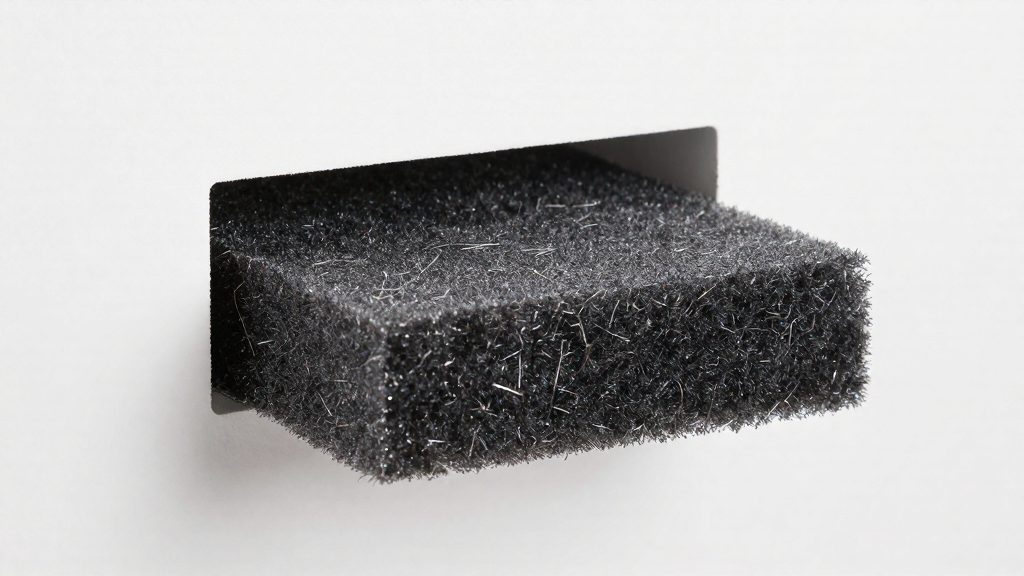
- Stuff small holes. For small openings, pack steel wool into the hole, then apply caulk around it to hold it in place.
- Cover larger holes. For bigger openings, use hardware cloth, metal, cement or lath mesh. For attic vents and basement windows, Terminix Canada (2026) recommends galvanized mesh of 1/4 inch or finer.
- Apply the sealant. Foundation cracks need a flexible, waterproof sealant. Exterior joints need a weather-resistant, paintable exterior sealant. Smooth it flush with the surface.
- Seal pipes and wires. Around pipes, wires and service ducts, combine steel wool with silicone caulk, as Terminix Canada advises.
- Finish the weak points. Add weatherstripping and a door sweep or door bottom, and check that the garage door fits properly, since a poorly fitted garage door is a common entry point.
Moisture around plumbing: what attracts ants, spiders and cockroaches
Ants, spiders and cockroaches are drawn to moisture, especially the damp areas around plumbing, according to DAP (manufacturer guidance, undated). DAP therefore advises sealing the gaps around sinks, bathtubs, toilets, pipes and electrical boxes. Sealing these openings and reducing moisture outside the home are the two measures the sources support directly.
Sealing plumbing and utility penetrations
Terminix Canada (2026-01-19) recommends combining steel wool with silicone caulk around pipes, wires and service ducts. Steel wool fills the gap, and the caulk holds it in place. For openings too large for steel wool, the CDC (2024-04-08) recommends hardware cloth, a metal mesh.
Cracks and foundation joints
DAP advises a backer rod for any crack more than 1/2 in (about 13 mm) deep. Insert the rod first, then apply sealant and smooth it flush with the surface. Foundation cracks need a flexible, waterproof sealant, and exterior joints need a weather-resistant, paintable exterior sealant.
Reducing outdoor moisture
| Area | Action | Source |
|---|---|---|
| Sinks, bathtubs, toilets | Seal the joints around them | DAP |
| Pipes, wires, service ducts | Steel wool, then silicone caulk | Terminix Canada (2026-01-19) |
| Cracks deeper than 1/2 in | Backer rod, then sealant flush with the surface | DAP |
| Ground and plants near the foundation | Trim plants and clear the soil around the foundation | DAP |
| Leaks | Repair them to reduce moisture around plumbing | DAP |
Maintenance and Seasonal Inspection
Entry points are worth rechecking regularly, for example at each change of season, as general good practice. and focus on the common mouse entry points: foundation cracks, pipe and cable passages, dryer and exhaust vents, damaged door sills, and window frames.
Work through the house in this order:
- Foundation and exterior perimeter. Trim plants and clear the area around the foundation to reduce moisture, which also makes the foundation easier to inspect.
- Plumbing and electrical penetrations. Check the seal around sinks, bathtubs, toilets, pipes, and electrical boxes. Ants, spiders, and cockroaches are drawn to these damp areas, so repair any leak before resealing.
- Doors, vents, and garage. Inspect door sills and check that the garage door fits without gaps. Confirm that vent covers and fan openings are intact.
Match each repair to the type of opening:
| Opening or damage | Repair |
|---|---|
| Small hole around a pipe or wire | Pack steel wool into the gap, then seal over it with silicone caulk |
| Larger hole | Cover with hardware cloth, metal, cement, or wire mesh |
| Crack deeper than 1/2 inch (about 13 mm) | Insert backer rod first, then apply sealant and smooth it flush with the surface |
| Foundation crack | Flexible, waterproof sealant |
| Exterior joint | Weather-resistant, paintable exterior sealant |
Gaps about 1/4 inch (6 mm) wide are enough for mice to pass through, so treat any opening of that size or larger as a priority. Terminix Canada recommends a galvanized mesh of 1/4 inch or finer for attic vents and basement windows.
Frequently asked questions
Can I use caulk alone to close a small hole?
No. Caulk has little resistance to chewing, so pack steel wool into the hole first and then caulk over it to hold it in place.
How should I seal a foundation crack wider than a hairline?
Push a backer rod into any crack deeper than about half an inch so the sealant has a firm base, then smooth the sealant flush with the surface. Use a flexible, waterproof product for foundation cracks.
Does sealing moisture help with pests other than rodents?
Yes. Ants, spiders and cockroaches are drawn to damp areas near plumbing, so caulking around sinks, tubs and toilets, and clearing vegetation and soil from the foundation, reduces the moisture they depend on.