Why Vacuuming Alone Does Not Stop Clothes Moths
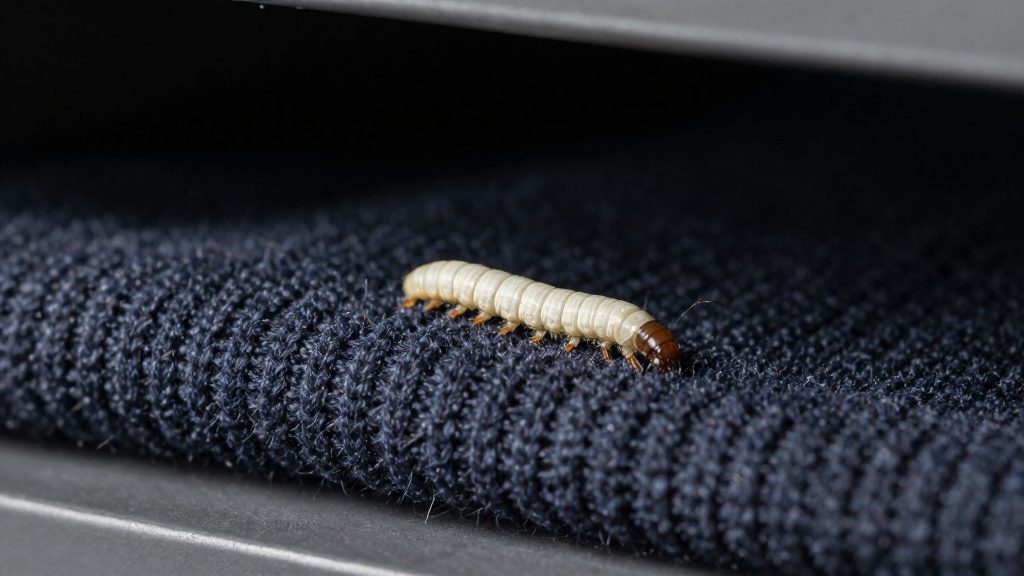
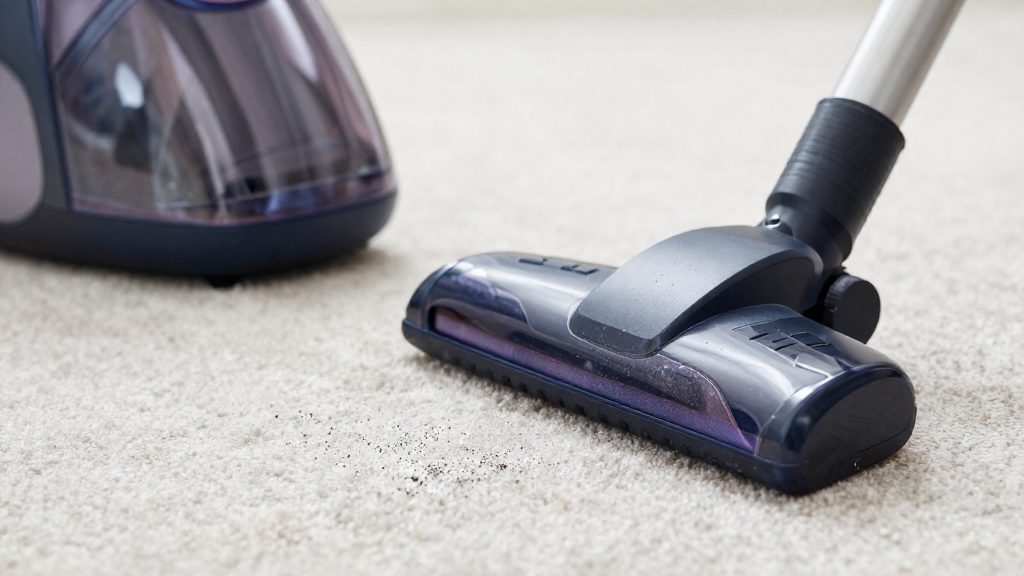
Vacuuming removes adult clothes moths and larvae, but it does not destroy the eggs laid on textiles. Eggs and larvae in fabric need heat or cold to be killed, so the vacuum is one step in a sequence rather than the whole treatment.
Start by vacuuming closets thoroughly, including along baseboards and in the corners where clothes moths settle. The Swiss Federal Office for the Environment (FOEN, 2021) also recommends running the vacuum over carpets, upholstered furniture and cabinets, both the back and sides, and checking ceilings, where larvae pupate in lit areas.
Sealing the vacuum bag is the step most often skipped. After each session, seal the bag or clean the filters, otherwise eggs and larvae can develop again inside the machine. According to FOEN (2021), a used bag can be frozen for 2 days before reuse.
Because vacuuming does not destroy eggs and larvae on textiles, infested items need a separate treatment:
| Treatment | Condition | Effect on eggs and larvae |
|---|---|---|
| Washing | 60 °C, if the garment label allows it | Kills eggs and larvae |
| Freezing | At least 4 days at -18 °C | Kills eggs and larvae |
The Oregon State University Extension Service notes that cleaning infested items is “even better” than freezing, because washing removes the residues that attract clothes moths.
The order matters: vacuum first to remove adults and larvae, then wash or freeze the textiles, and only then return them to the closet.
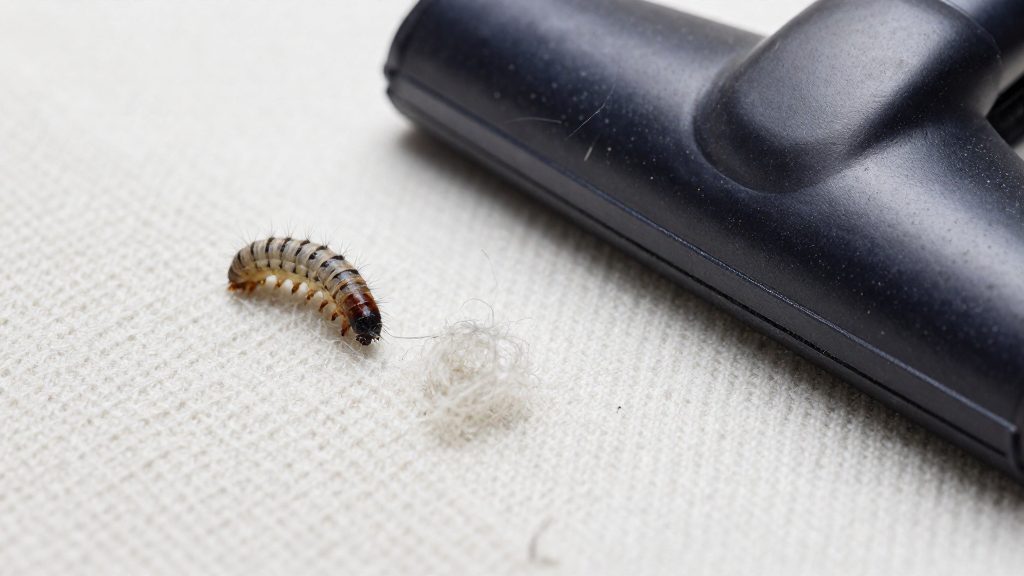
Where to Run the Vacuum to Remove Clothes Moth Eggs?
According to the Oregon State University Extension Service, control starts with thorough vacuuming of closets, along baseboards, and in the corners where clothes moths settle. The aim is to remove every sign of activity, not only the adult moths you can see. Eggs on textiles still need a wash or a freeze. Vacuuming a single closet is not enough. Treat every storage area where clothing, textiles or upholstery sit undisturbed.
Focus on these areas:
- Closets and wardrobes: vacuum the floor and corners, plus the back and sides of the cabinets, where eggs and larvae collect.
- Carpets and rugs: pass the vacuum over them regularly, including the edges against the walls.
- Upholstered furniture: cover cushions, seams and the gaps between cushions and frames.
- Ceilings: inspect them as well. The Swiss Federal Office for the Environment (FOEN, 2021) notes that larvae pupate on ceilings in lit areas, so vacuum those spots when you find them.
Vacuuming also needs a follow-up step. Once you finish, seal the vacuum bag or clean the filters immediately. Otherwise, eggs and larvae still inside can redevelop. A used bag can be frozen for 2 days before it is reused, according to the same FOEN guidance.
How to vacuum a wardrobe step by step
Vacuuming removes clothes moth larvae and adults, but it does not destroy eggs on textiles, so it works as the first step of a treatment rather than a complete one. According to the Swiss Federal Office for the Environment (FOEN, 2021), the vacuum should be run regularly over carpets, upholstered furniture and wardrobes, including their backs and sides.
- Empty the wardrobe. Remove garments and storage boxes so that the shelves, corners and floor of the cabinet are fully accessible.
- Vacuum the interior thoroughly. Work along the shelves, into the corners and along the skirting boards, where moths settle. The Oregon State University Extension Service recommends this full sweep to remove all traces of activity, including eggs and larvae.
- Vacuum the back and sides of the wardrobe. Then check the ceiling of the cabinet area, because larvae pupate in lit places (FOEN, 2021).
- Seal the bag or clean the filters immediately. Otherwise eggs and larvae can redevelop inside the machine. Used bags can be frozen for 2 days before reuse.
- Treat the garments separately. Vacuuming does not kill eggs on textiles. Wash them at 60 °C if the care label allows it, or freeze them at -18 °C for at least 4 days, which kills both larvae and eggs.
- Air the wardrobe and repeat. Air the cabinet until it is dry, then empty, vacuum and air it again at regular intervals.
What to Do with the Vacuum Bag or Filter Afterwards
Vacuuming removes adult moths and larvae, but the collected debris can still hold eggs and larvae that restart the infestation if they are not handled properly. According to the Swiss Federal Office for the Environment (FOEN, 2021), the vacuum bag must be sealed or the filters cleaned after use, otherwise eggs and larvae can redevelop.
Disposable Bags
Remove the bag as soon as the session ends and close it completely. Place it inside a second sealed bag before putting it in an outdoor bin, so nothing escapes during disposal.
Bagless Canisters and Filters
With a bagless model, empty the canister into a sealed bag outdoors, then clean the filter and the canister seams. Residue left in these parts can keep eggs and larvae alive, so this step cannot be skipped.
Reusing a Bag
If you want to keep a bag rather than discard it, FOEN (2021) notes that it can be frozen for 2 days before reuse. Freezing handles the bag only. It does not treat the items you vacuumed.
Treating the Textiles
Vacuuming alone does not destroy eggs and larvae on textiles. Two methods work:
| Method | Requirement |
|---|---|
| Wash at 60 °C | Only if the garment’s care label allows it |
| Freeze at -18 °C | At least 4 days, which kills both larvae and eggs |
Oregon State University Extension Service adds that cleaning infested items is “even better” than freezing them, because cleaning removes the residues that attract moths. Wash what the label permits, and freeze the items that cannot be washed at 60 °C.
Washing or freezing: how to kill remaining eggs?
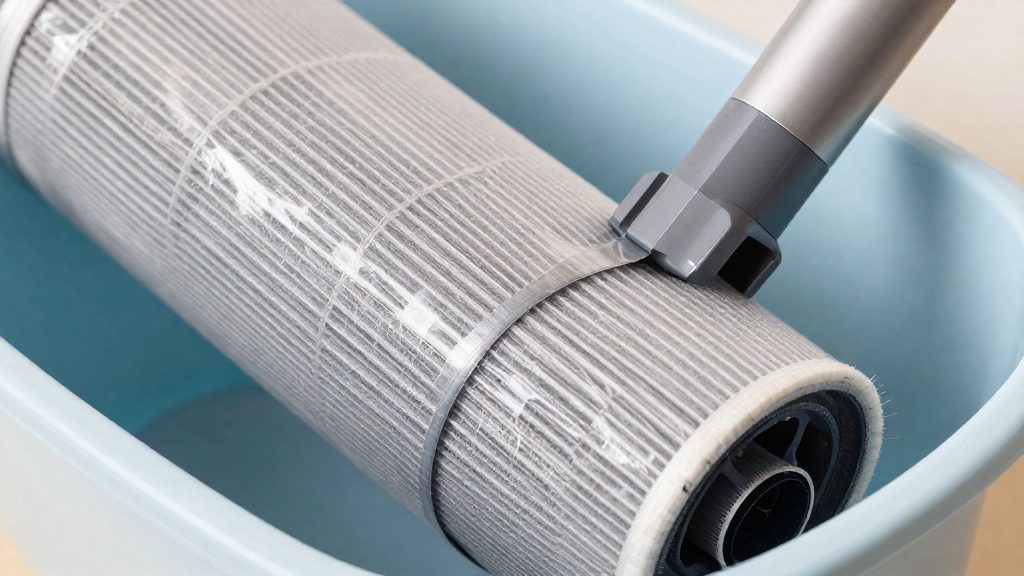
Vacuuming removes adult moths and larvae, but it does not destroy eggs on textiles. Eggs in fabric must be killed with heat or cold. The two options are washing at 60 °C, only if the care label allows it, and freezing at -18 °C for at least 4 days. Both kill larvae and eggs. The Swiss Federal Office for the Environment (FOEN, 2021) describes this combination, and Oregon State University Extension Service notes that cleaning infested items is “even better” than freezing them, because cleaning removes the residues that attract moths.
Choosing between washing and freezing
| Method | Temperature and duration | Target |
|---|---|---|
| Washing | 60 °C, if the care label permits | Larvae and eggs |
| Freezing | -18 °C, at least 4 days | Larvae and eggs |
Washing is the preferred option for garments that tolerate it, since the cleaning step also removes residues. Freezing is the alternative for items that cannot go through a 60 °C wash. Keep items in the freezer for the full 4 days, not a shorter period.
Handling the vacuum bag
After vacuuming, seal the vacuum bag or clean the filters. Otherwise, eggs and larvae collected in the bag or filter can redevelop. The bag itself can be frozen for 2 days before reuse.
How to Prevent Clothes Moths From Coming Back
Preventing a return depends on removing every trace of activity, not just adults. According to the Oregon State University Extension Service, vacuuming must reach the wardrobe interior, baseboards and corners where moths settle, so that traces of activity are removed along with the visible insects, while eggs on textiles still need a separate wash or freeze. The Swiss Federal Office for the Environment (FOEN, 2021) adds that the vacuum itself must be managed: a bag or filter left unsealed or uncleaned lets eggs and larvae redevelop.
Vacuum Routine
- Vacuum rugs, upholstered furniture and cabinets regularly, including the backs and sides of cabinets.
- Check ceilings, where larvae pupate in lit areas.
- Seal the vacuum bag or clean the filters after each session. A used bag can be frozen for 2 days before reuse.
Storage and Textile Handling
Prevention also depends on what is kept in closets and drawers. Sweat and skin flakes on worn clothing attract pests, so worn garments should not be stored.
- Store unused textiles of animal origin, such as wool, in airtight bins kept cool and dry.
- Inspect second-hand textiles before bringing them into the home.
- Empty, vacuum and air cabinets at regular intervals.
Treating Textiles Directly
Vacuuming alone does not destroy eggs and larvae on fabrics. Two methods do:
| Method | Required condition | Effect |
|---|---|---|
| Washing | 60 °C, if the garment label permits | Kills larvae and eggs |
| Freezing | -18 °C for at least 4 days | Kills larvae and eggs |
Cleaning infested items is “even better” than freezing, because washing also removes the residues that attract moths (Oregon State University Extension Service).
When to call a pest control professional?
Home control follows a sequence: vacuum thoroughly, treat textiles, then prevent reinfestation. A professional is worth considering when that sequence does not stop the activity. According to the Swiss Federal Office for the Environment (FOEN, 2021), vacuuming removes larvae and adults, but it does not destroy eggs and larvae on textiles. Those need a 60 °C wash, if the label allows it, or at least 4 days in a freezer at -18 °C. Worn clothing should also not be stored with clean items, because sweat and skin flakes attract the pests.
Persistent signs after these steps point to a source the routine has not reached. Check the following before escalating:
| Situation | What to check |
|---|---|
| Signs continue after vacuuming wardrobes, skirting boards and corners | Whether ceilings have been vacuumed, since larvae pupate there in lit areas |
| Upholstered furniture or carpets remain affected | Whether all surfaces were vacuumed, including the backs and sides of cabinets |
| Activity returns after textiles were washed or frozen | Whether untreated or second-hand textiles were brought into the home, or stored without inspection |
If these checks do not resolve the problem, contact a pest control professional.
Frequently asked questions
Can I skip vacuuming and just wash or freeze infested clothes?
No. Washing at 60 °C (if the label allows) or freezing at -18 °C for at least 4 days treats the textiles, but adults and larvae elsewhere in the closet, on upholstered furniture and in cabinet corners will remain and can lay new eggs.
Why does the vacuum bag need special handling?
Eggs and larvae collected by the vacuum can survive inside the machine. Seal the bag or clean the filters after each session, and if you reuse a bag, freeze it for 2 days first.
Do I need to vacuum if I cannot see any moths?
Yes. Eggs are small and easy to miss, so vacuum the ceilings of lit areas, where larvae pupate, along with cabinet backs and sides, even when no adults are visible.