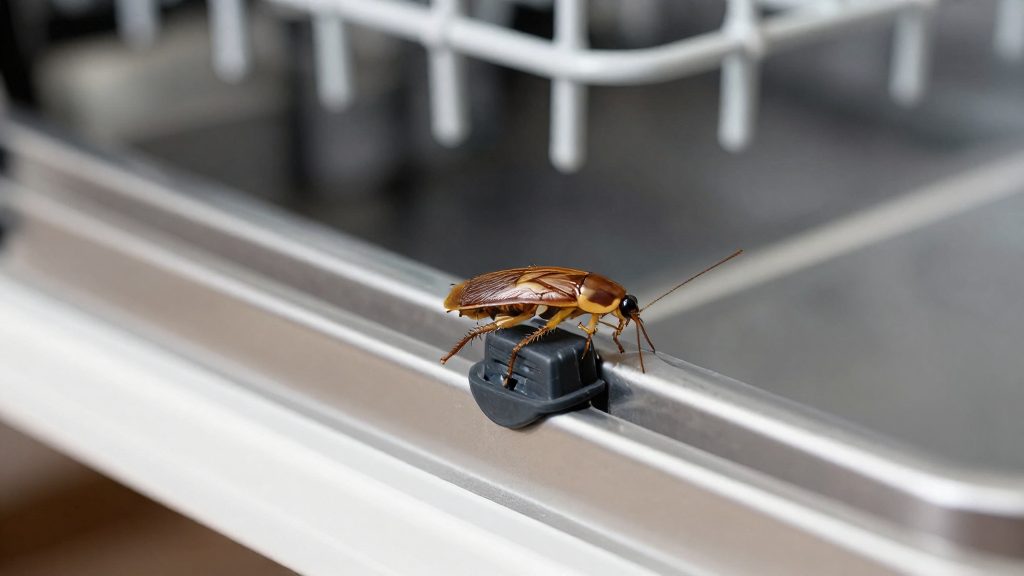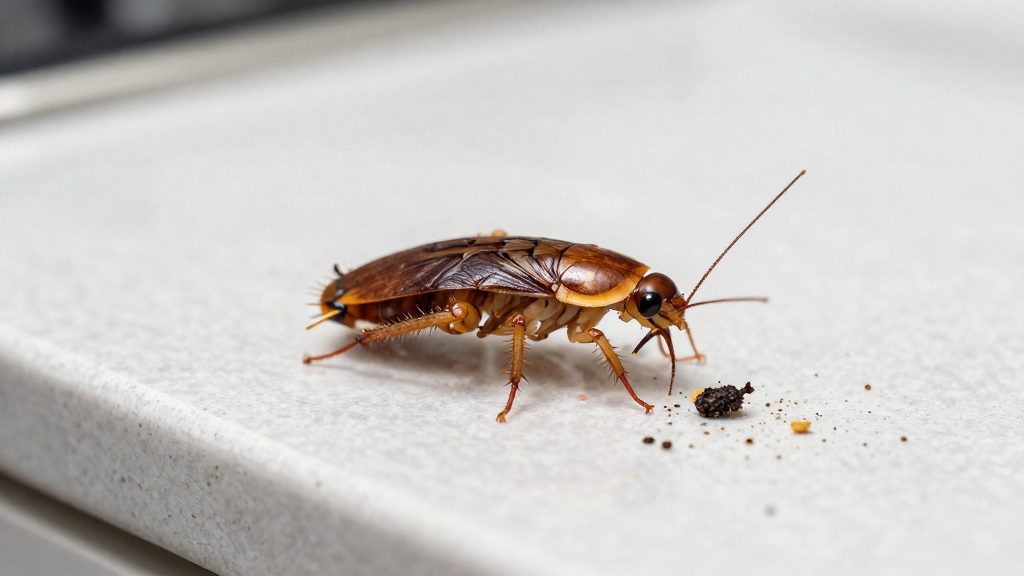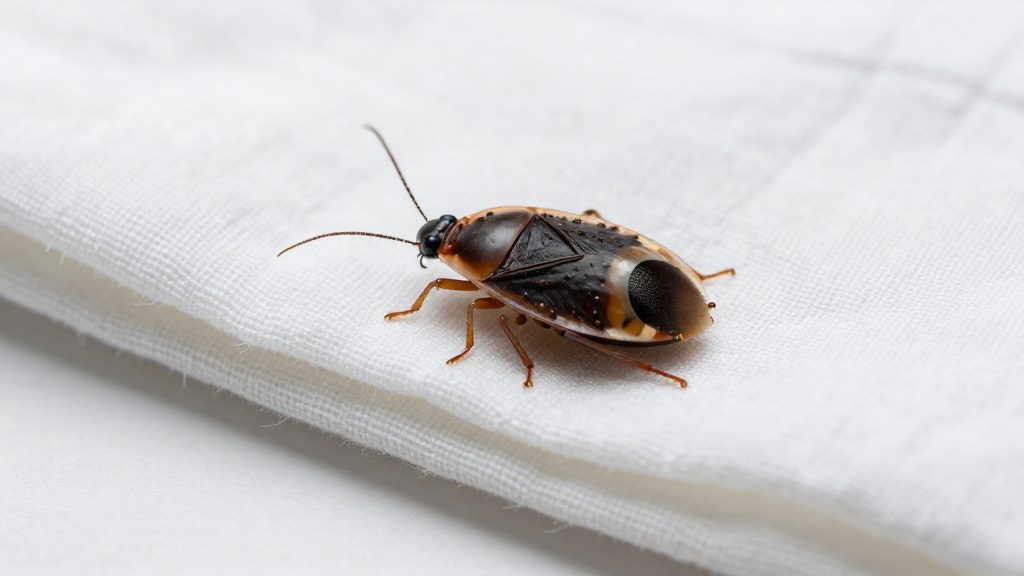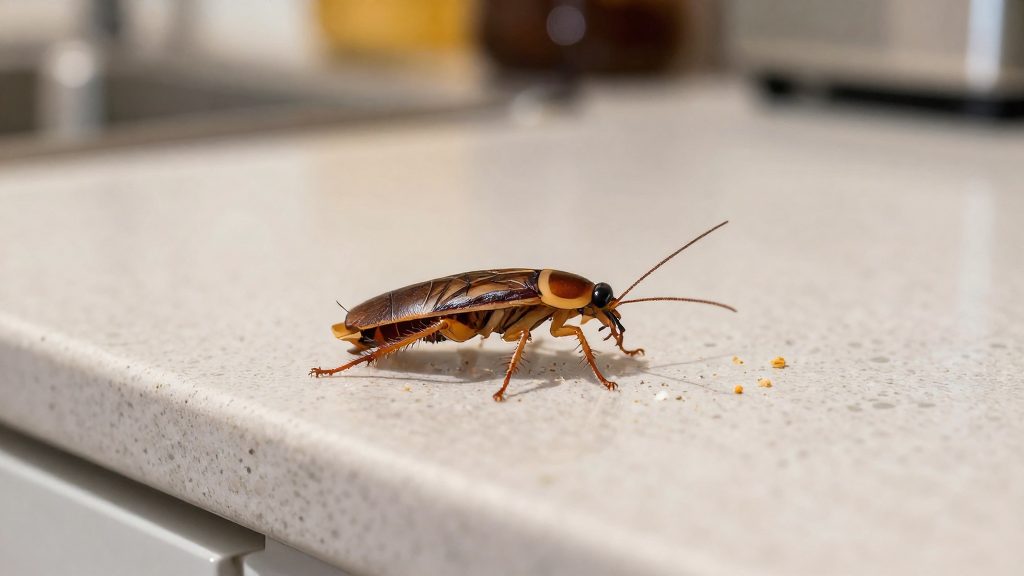
Cockroaches survive in a wide range of conditions and reproduce quickly, so they spread easily from one unit to another. According to the Government of Manitoba (2026), they are found in houses, apartment buildings and businesses, and they are hard to eliminate, especially in multi-unit housing, where they can affect neighbours. Food debris and water from leaking taps give them the resources they need, so cleaning and repairs are the first line of control.
Conditions that keep cockroaches in apartment buildings
Conditions that sustain them
Cockroaches stay where they find food and water. Routine habits limit both:
- Pick up fallen food and wash dishes regularly.
- Vacuum behind appliances, where crumbs collect.
- Empty garbage bins often.
- Store food in closed containers.
- Repair dripping taps quickly, since they supply water.
Because cockroaches spread easily and can cause problems for neighbours, control in a building requires everyone’s cooperation.
Shared responsibility
Control in a multi-unit building depends on coordination. According to the Government of Manitoba (2026), whose information does not necessarily apply in other provinces, the roles are divided as follows:
| Party | Responsibility |
|---|---|
| Tenant | Report a suspected infestation to the landlord without delay and cooperate with the elimination plan |
| Landlord | Keep units free of insects |
| Licensed pest control technician | Locate breeding sites and apply products safely |
Professional treatment
Licensed pest control technicians locate breeding sites, which occupants cannot always see, and apply products safely. Sticky traps can then check whether the treatment is working.
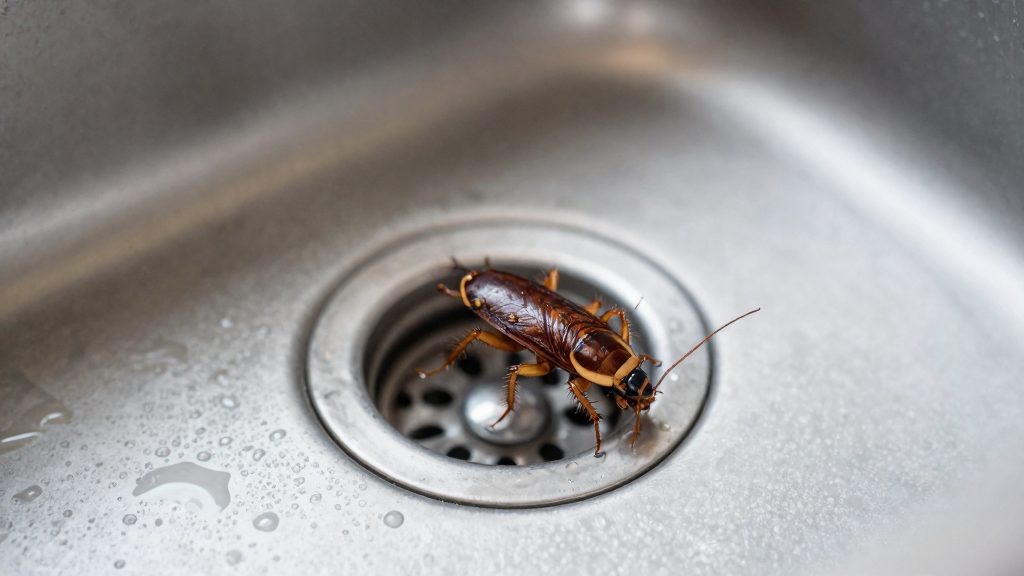
Controlling cockroaches that spread between units
Control depends on the cooperation of tenants, the owner, and licensed technicians, so a single unit treated in isolation is rarely enough.
Remove the food and water that sustain them
The cleaning routine listed in the first section limits the food supply that lets cockroaches persist, and repairing dripping taps removes their water.
Follow the building’s elimination process
In Manitoba, tenants must notify the owner without delay as soon as they suspect an infestation, and they must cooperate with the elimination plan. The owner is responsible for keeping units free of insects. Rules differ by province, so in a dispute check the provincial tenancy rules or get legal advice.
Use licensed technicians and monitor results
Place sticky traps after treatment to check whether it is working, and keep monitoring over the following weeks.
Food, water and unsealed waste: what draws cockroaches in
Cockroaches are drawn to food, water and unsealed waste. They survive in very varied conditions and reproduce rapidly, which makes them easy to spread and hard to eliminate.
Food residue is the most common draw. Crumbs on the floor, dishes left in the sink and food kept in open packaging all give cockroaches something to eat. Waste left in bins becomes a food source for the same reason, so emptying garbage often is part of the routine.
Water is the second attractant. Dripping taps supply the water cockroaches need, so repairing them promptly removes that source.
What to do at the first signs of an infestation
In a multi-unit building, the first step is to notify the landlord without delay as soon as an infestation is suspected. According to the Government of Manitoba (2026), tenants must cooperate with the elimination plan, and the owner is responsible for keeping units free of insects. Control requires joint action by tenants, the landlord and technicians.
Before any treatment, reduce the food and water that sustain the population by following the routine listed in the first section.
Call a licensed pest control technician, who can locate breeding sites and apply products safely. Sticky traps can then confirm whether the treatment is working.
Why Over-the-Counter Insecticides Fall Short
According to the Government of Manitoba (2026), occupants should not rely on over-the-counter chemical products against cockroaches. These products work less well, and treating one unit can scatter cockroaches into neighbouring units. In a building with several units, control depends on coordinated action by the tenant, the landlord and a professional.
Who Does What
The roles of tenant, landlord and technician are set out in the table in the first section.
Checking Whether Treatment Works
Sticky traps can show whether a treatment is working.
Reducing What Attracts Cockroaches
While a professional treatment is arranged, keep up the hygiene routine described above. These measures reduce the food and water that keep a population alive, but they do not remove an established colony. This is why multi-unit buildings need a joint plan rather than repeated individual sprays.
Who Is Responsible: Tenant or Landlord?
In a multi-unit building, cockroach control is shared. According to the Government of Manitoba (2026), the landlord is responsible for keeping units free of insects, and the tenant must report a suspected infestation promptly and cooperate with the elimination plan. Control works only when tenants, the landlord and licensed technicians act together.
The sequence matters because an infestation in one apartment can quickly affect neighbours. A tenant who suspects cockroaches should report them to the landlord before trying to treat the problem alone.
Cooperation during treatment is the part tenants most often underestimate. The technician needs access to the unit and needs the tenant to keep up the hygiene measures that limit cockroaches. Monitoring with sticky traps should continue after the first application.
Preventing cockroaches from coming back
Keeping the home clean and removing water sources are the main preventive measures, and they work best when every resident follows the same routine.
Food and waste control
Keeping food out of reach removes the most common attractant. Follow the routine listed in the first section, and pick up fallen food as soon as it drops rather than leaving it for later.
Water control
Cockroaches need water as well as food. Leaking taps supply it, so they should be repaired quickly.
Professional treatment
If cockroaches appear despite these measures, a licensed pest control technician should locate the breeding sites and apply products safely, rather than occupants using over-the-counter products.
Shared responsibility in multi-unit buildings
Prevention in a multi-unit building depends on cooperation between tenants, the landlord and the technicians. Rules vary by province and by lease, so if there is a dispute, consult the provincial tenancy authority or get legal advice.
Frequently asked questions
Why do cockroaches keep returning after I clean my apartment?
Cleaning removes the food residue and water that sustain cockroaches. According to the Government of Manitoba (2026), they spread easily between units and can affect neighbours, so control in a building depends on collaboration rather than one household’s efforts alone.
Can I use store-bought insecticide to get rid of cockroaches myself?
The Government of Manitoba (2026) advises against over-the-counter chemical products used by occupants, because they are less effective and can scatter cockroaches into other units. Licensed pest control technicians are the recommended option, since they locate breeding sites and apply products safely.
What must a tenant do if they suspect cockroaches in a multi-unit building?
Under Manitoba rules, a suspected infestation must be reported to the landlord without delay, and the tenant is expected to take part in the elimination plan. Rules differ by province and by lease, so in a dispute, consult your provincial residential tenancy authority or seek legal advice.