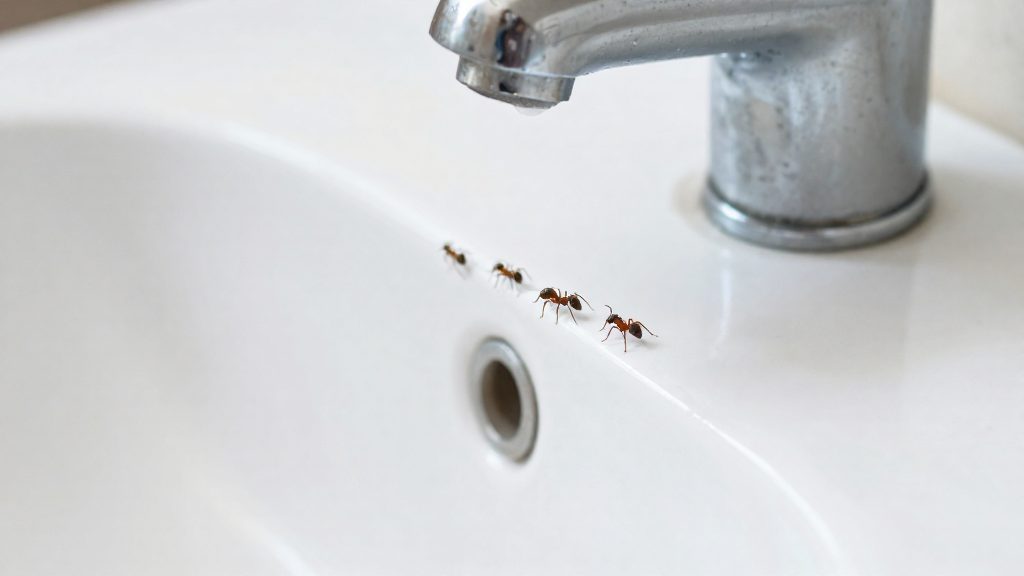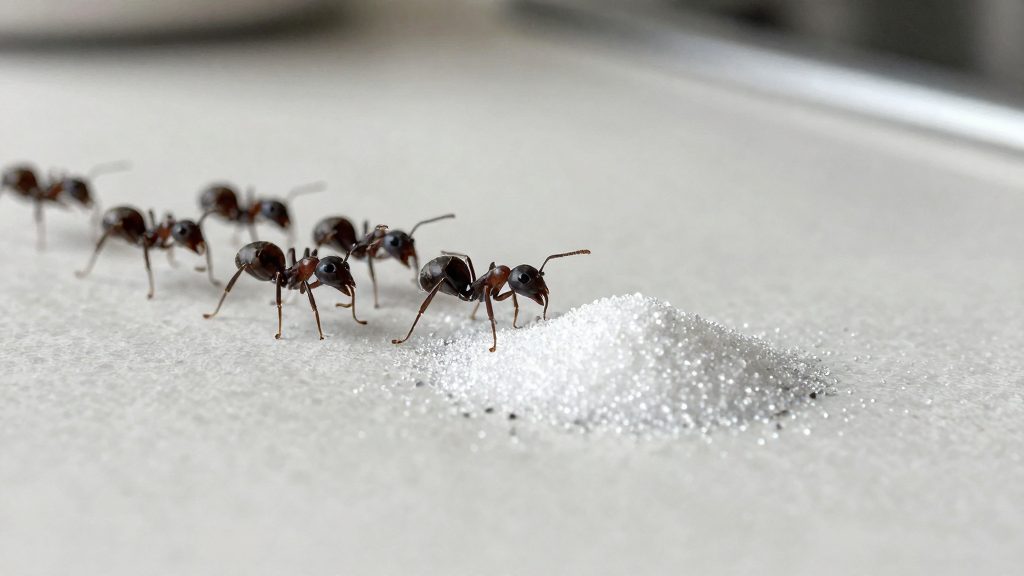
Ants return because one successful forager lays a scent trail that guides nestmates back to the same food or water source. Most colonies nest outdoors in large numbers and enter buildings mainly for foraging, so any accessible food or water inside a home keeps attracting workers. Cutting off those resources, sealing entry points and using baits along the trail are the most effective ways to stop the cycle.
Why Do Ants Keep Coming Back?
Remove Food and Water Access
Health Canada (2026) recommends:
- Storing foods that attract ants in sealed containers, such as glass jars.
- Keeping counters clean and sweeping or vacuuming often, especially near pet dishes.
- Rinsing containers before discarding them.
- Emptying kitchen garbage frequently.
Seal Entry Points
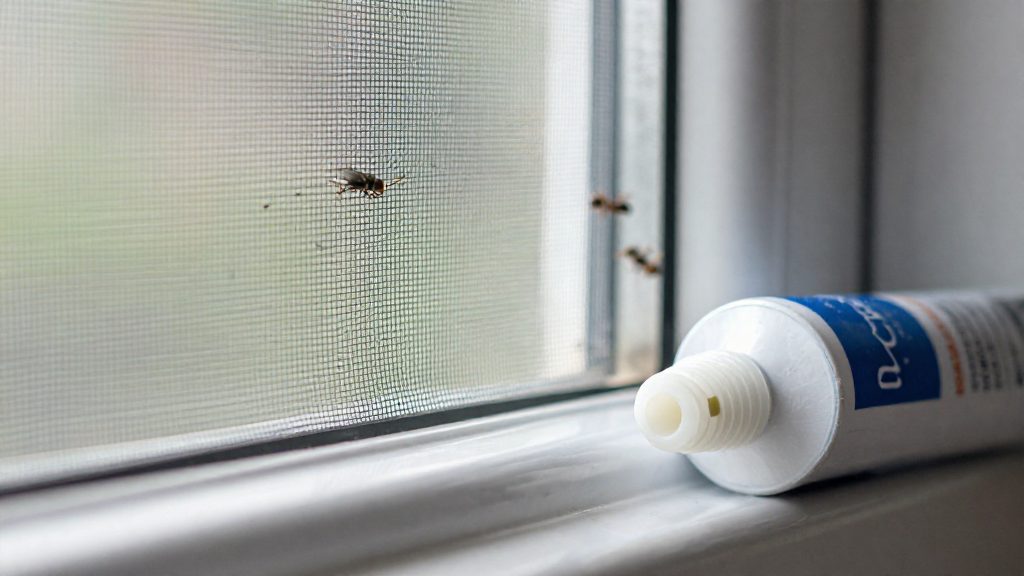
Health Canada recommends sealing visible cracks in foundations and exterior walls, and caulking gaps along indoor baseboards. Tape or petroleum jelly can seal cracks temporarily.
Treat the Trail With Baits
If ant activity increases after a spray or powder treatment, switch to baits, because spraying can sometimes split the colony and spread it. Health Canada advises placing baits along ant trails, out of reach of children and pets, using many baits and two different types at once for better results, and leaving them in place for at least two weeks. Baits containing boric acid or hydramethylnon slowly kill the colony, according to the City of Calgary (2026).
Scent Trails, Nests and Colonies: What You Don’t See
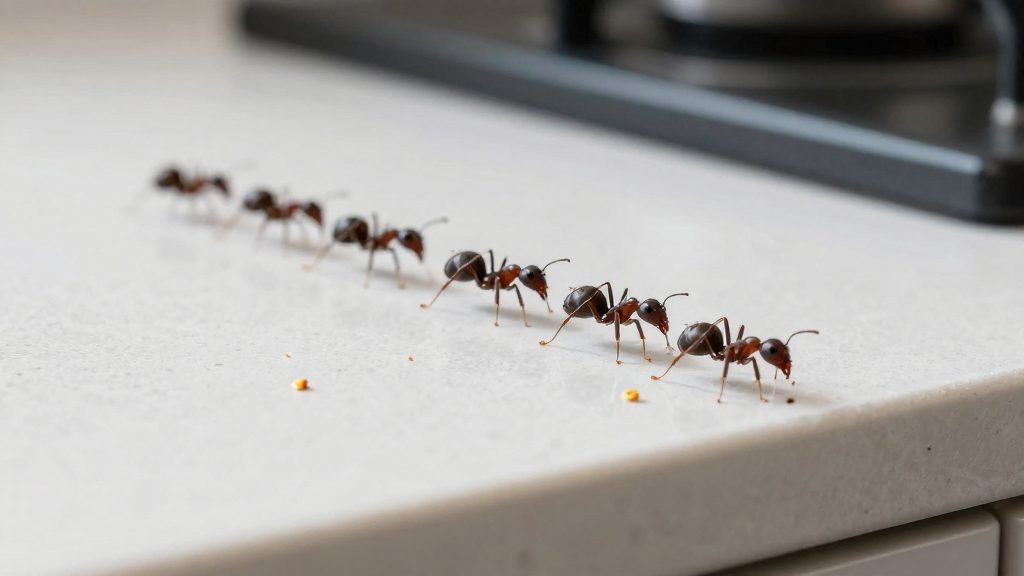
Most of an ant colony stays out of sight. According to City of Calgary (2026), large colonies usually nest outdoors, and ants enter buildings mainly to forage. A successful scout leaves a scent trail that guides other workers back to the same food source, which is why ants keep returning to the same spot.
Health Canada (2026) recommends these measures:
- Store ant-attracting foods in sealed containers such as glass jars, and rinse containers before discarding them.
- Keep counters clean, and sweep or vacuum often, especially near pet dishes.
- Empty kitchen garbage frequently.
- Seal visible cracks in foundations and exterior walls, and caulk gaps along baseboards indoors. Tape or petroleum jelly can seal cracks temporarily.
Using Baits Against the Trail
Baits work by following the trail back to the nest. Health Canada (2026) gives these rules:
| Rule | Detail |
|---|---|
| Placement | Along ant trails, out of reach of children and pets |
| Quantity | Use many baits |
| Combination | Use two different baits at once for better results |
| Duration | Leave in place for at least two weeks |
| Chemical pesticides | Do not use them alongside baits, as they make baits ineffective |
Baits containing boric acid or hydramethylnon slowly kill the colony and are generally low in toxicity to other animals, according to City of Calgary (2026).
Non-Chemical Options for Outdoor Nests
City of Calgary (2026) lists several methods that do not use chemicals:
- Flood the nest repeatedly with a garden hose.
- Pour boiling water mixed with detergent onto the nest.
- Wrap two-sided tape around plant stands.
- Dust cracks with diatomaceous earth.
Checking Product Rules
Before using any pesticide, read the label and confirm its registration number. Health Canada (2026) notes that some provinces and municipalities restrict pesticide use, so check local rules before treating.
Cutting Off Access to Food and Water
Ants return because a successful scout leaves a scent trail that guides other workers to the same source. Removing that source breaks the cycle. According to the City of Calgary (2026), removing access to food and water is the easiest way to prevent an indoor ant problem. Indoor ant trails can lead to an indoor nest, and that nest keeps returning as long as food and water stay accessible.
Food is the most direct lever. Health Canada (2026) recommends the following measures:
| Area | Action |
|---|---|
| Foods that attract ants | Store them in sealed containers, such as glass jars |
| Counters | Keep them clean and sweep or vacuum often |
| Pet dishes | Sweep or vacuum often, especially nearby |
| Food containers | Rinse them before discarding |
| Kitchen garbage | Empty it frequently |
The City of Calgary (2026) names food and water together as the resources that keep an indoor nest returning, so clearing away food alone may not be enough. Both resources should be treated as part of the same measure.
Consistency matters more than a single clean-up. A counter wiped once and then left with crumbs for a week gives scouts the same reward they found before, and the trail stays active. Maintaining these steps daily keeps the trail from being reinforced.
How to Seal Entry Points
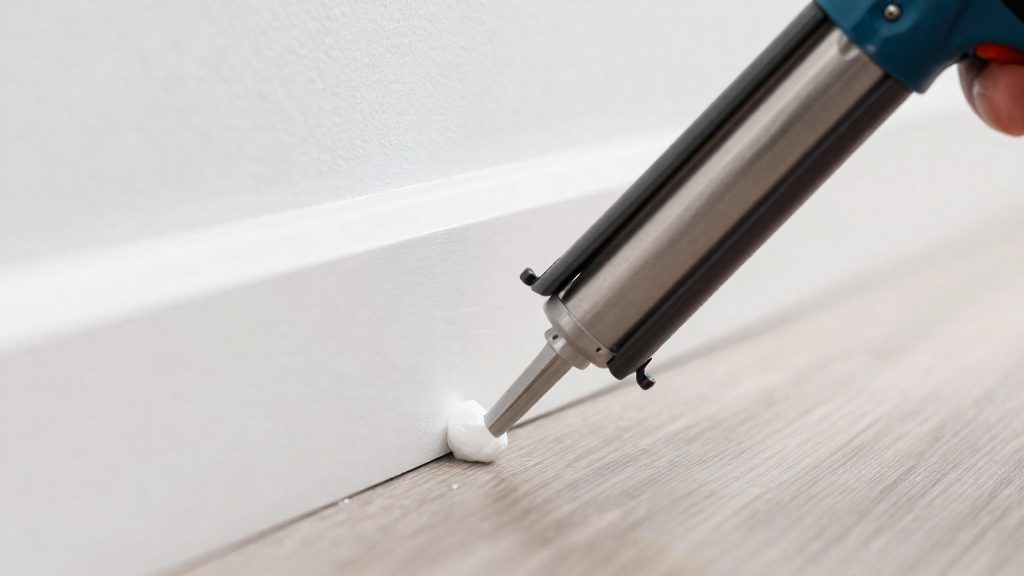
Sealing removes the openings that ants use to reach food and water. Health Canada (2026) recommends sealing visible cracks in foundations and exterior walls, and caulking gaps along baseboards indoors. Work from the outside in, because a sealed interior still leaves outdoor routes open.
| Location | Method | Purpose |
|---|---|---|
| Visible cracks in foundations | Seal the crack | Closes the outdoor route into the building |
| Visible cracks in exterior walls | Seal the crack | Closes wall openings near the ground |
| Gaps along baseboards indoors | Caulk the gap | Closes the gap between wall and floor |
| Gaps that cannot be repaired yet | Apply tape or petroleum jelly | Provides a temporary seal until a permanent repair is made |
Start with a walk around the full perimeter of the building. Mark each visible cracks point with tape or a pencil so you can find it again after the work. Seal every marked crack, then move indoors and check the baseboard gaps in each room, especially where a wall meets a kitchen cabinet or appliance, since these spots are often reached through food-related trails.
Once the sealing is complete, watch the same trail for several days. If ants still arrive at the same spot, there is another opening nearby, and the inspection should be repeated along that wall. Sealing alone does not remove a nest that is already inside, so combine it with the baiting and food storage steps described elsewhere in this guide.
Baits or spray: which to choose?
Baits and sprays target different things. Spray or powder treatments can sometimes split a colony and spread it. Baits are the better option when ants keep returning, because they are designed to kill the colony itself. According to City of Calgary (2026), if ant activity seems to increase after a spray or powder treatment, you should switch to baits.
Baits containing boric acid or hydramethylnon slowly kill the colony and are generally low in toxicity to other animals. Health Canada (2026) gives these placement rules:
- Place baits along ant trails, out of reach of children and pets.
- Use many baits rather than one.
- Use two different baits at once for better results.
- Leave the baits in place for at least two weeks.
For nests outdoors, non-chemical options are also available. The nest can be flooded repeatedly with a garden hose, or treated with boiling water mixed with detergent. Two-sided tape wrapped around plant stands blocks access, and diatomaceous earth applied in cracks offers another non-chemical barrier.
Before buying any product, read the label and confirm its registration number. Some provinces and municipalities restrict pesticide use, so check local rules before treating your home.
Carpenter Ants: A Sign of Moisture
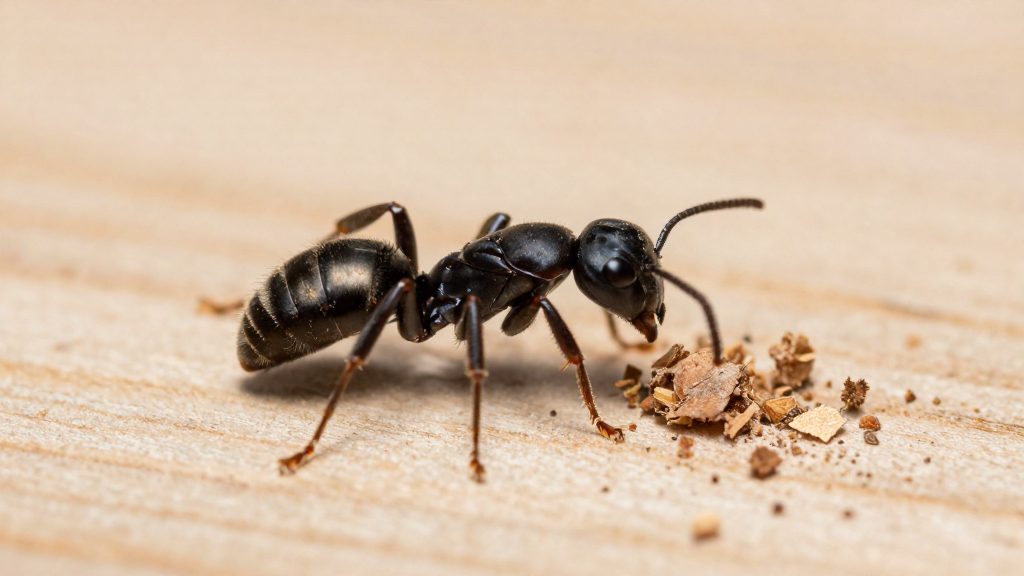
Carpenter ants measure 6 to 25 mm and have bent antennae, which helps separate them from other household ants. According to Health Canada (2026), they prefer damp, rotting wood, so their presence can signal a moisture or decay problem in the building itself. Because the ants depend on that wood, the work starts with the structure rather than with the insects alone.
Remove the Source
The recommended measures are:
- Remove rotting or infested wood.
- Store firewood away from the house.
- Fix the moisture problems affecting the building.
Wood that stays wet or decays will keep attracting carpenter ants, so these steps address the conditions that drew them in.
Find the Parent Colony
A satellite colony is a smaller group of carpenter ants linked to a main nest. The most effective approach is to find and destroy the parent colony. Treating only the satellite leaves the main nest intact, so inspect the wood where workers are seen and trace the activity back to its source.
Choose a Treatment Carefully
Before applying any pesticide, read the label and confirm the product’s registration number. Some provinces and municipalities restrict pesticide use, so check local rules before treating. For difficult cases, where the nest is hard to locate or the damage is extensive, hire a professional.
When to Call an Exterminator?
Some situations call for a professional, such as difficult carpenter ant cases. Carpenter ants measure 6 to 25 mm and have bent antennae. They prefer damp, rotting wood, so their presence can point to a moisture or decay problem inside the structure, according to Health Canada (2026).
Call a professional in these cases:
- A carpenter ant case is difficult (nest hard to locate or extensive damage). Before the visit, remove rotting or infested wood, move firewood away from the house and fix the moisture source. A professional can then find the parent colony, which is the most effective approach when satellite colonies are present.
- Home treatments have failed after a full bait cycle. Two different baits left in place for at least two weeks, with no chemical pesticides nearby, give a fair test. If activity continues, consider calling a professional.
- The nest cannot be located. Trails that lead to walls, voids or foundations are difficult to follow without specialised tools.
Before buying any pesticide or hiring a service, read the label and confirm the product’s registration number. Some provinces and municipalities restrict pesticide use, so check local rules first.